SARMs vs Anabolic Steroids: Differences, Risks and the Evidence
SARMs were designed to build muscle without the side effects of steroids. In practice they are less selective than promised and far less studied.
SteroidsCanada.org editorial teamUpdated · 2 min read
On this page
Selective androgen receptor modulators, or SARMs, were developed by drug companies as a way to get the muscle- and bone-building effects of androgens without the prostate, skin and hair effects of testosterone. None reached approval. Today they are sold widely as research chemicals and often marketed as a safer alternative to steroids. The evidence tells a more complicated story.
How SARMs differ from steroids
Anabolic steroids
- Steroid structure, related to testosterone
- Act in nearly all androgen-sensitive tissue
- Many convert to estrogen or DHT
- Decades of medical data
SARMs
- Non-steroidal structures
- More selective for muscle and bone
- Do not convert to estrogen or DHT
- Short, small human trials only
What human trials show
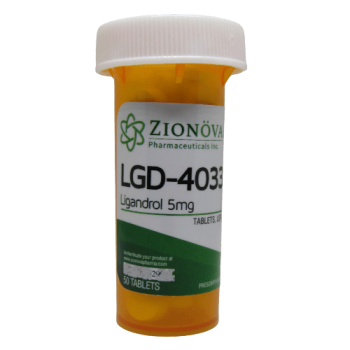
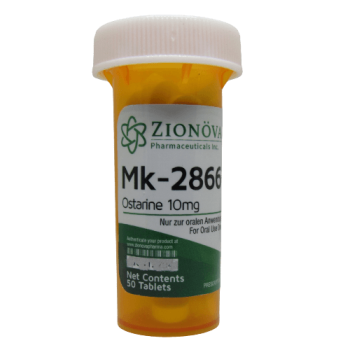
Ostarine (MK-2866, enobosarm) and LGD-4033 (ligandrol) have the most human data. In trials lasting weeks to months, low doses produced modest increases in lean mass, roughly one to a few kilograms, in older adults or patients with muscle loss. These trials also recorded:
- dose-dependent suppression of testosterone and SHBG;
- drops in HDL cholesterol;
- in some cases, raised liver enzymes.
Amounts used for physique goals are often several times the trial doses, where side effects are larger and less studied.
Reported risks
| Risk | Notes |
|---|---|
| Testosterone suppression | Seen in trials; worse with higher doses and longer use |
| HDL drop | Consistent across compounds |
| Liver injury | Published case reports of drug-induced liver injury, including jaundice |
| Vision changes | Reported with some compounds (for example S4) |
| Unknown long-term effects | No long-term safety data in healthy people |
Product quality
Laboratory analyses of SARMs bought online have repeatedly found products that contained a different compound, a different amount, or none of the advertised ingredient, and some with unlisted drugs. That makes it hard to know what you are taking, and makes bloodwork even more important.
Combining SARMs with steroids
Adding a SARM to a steroid cycle stacks suppression and lipid effects without clear extra benefit, because both act on the same receptor. It also adds uncertainty about product quality on top of the known steroid risks.
Legal status in Canada
SARMs are not approved by Health Canada for human use and are sold as research chemicals. Health Canada has issued warnings about products containing them. They are banned at all times in sport under the World Anti-Doping Code, and have caused many positive tests, including from contaminated supplements.
Monitoring if you use them
The same tests used for steroids apply: total testosterone, LH and FSH to gauge suppression, a lipid panel for HDL, and liver enzymes (ALT, AST, GGT, bilirubin) before starting and a few weeks in. Repeat testosterone and lipids six to eight weeks after stopping to confirm recovery. Tell your doctor what you have taken so results are interpreted correctly.
Bottom line
SARMs are more selective than steroids but not side-effect free, and they carry more uncertainty because of limited data and poor product quality. Read more in the science behind SARMs and prohormones versus SARMs.
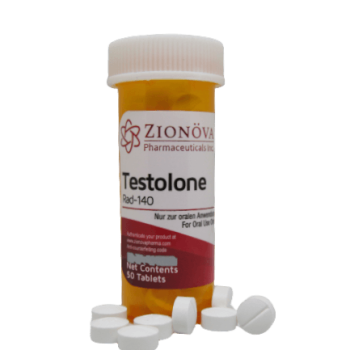
Products in this guide
Each product page carries the chemistry, label strength, risks and references.
Questions
How long do SARMs stay in the body?
Most have half-lives of roughly a day, but their metabolites can be detected in urine for weeks, which matters for tested athletes.
Do SARMs cause hair loss or acne?
Less than most steroids because they do not convert to DHT, but users still report some acne and hair shedding, especially at higher doses.
Are SARMs safer than steroids?
Not clearly. They have far less long-term human data. Suppression, HDL drops and liver injury have all been reported.
Do SARMs need post-cycle therapy?
They suppress testosterone in a dose-dependent way, so recovery is not guaranteed. Bloodwork after stopping shows whether levels return.
Is MK-677 a SARM?
No. MK-677 (ibutamoren) is a growth hormone secretagogue taken by mouth. It is often sold alongside SARMs.
Is cardarine a SARM?
No. GW-501516 is a PPAR-delta agonist; its development stopped after cancers appeared in animal studies.
Sources
General information, not medical advice. Written for adults in Canada. Anabolic steroids are Schedule IV under the Controlled Drugs and Substances Act. Talk to a licensed healthcare provider and get bloodwork before using any compound.
Keep reading
 Peptides and SARMs · 2 minGLP-1 Medicines and Weight Loss: What Canadians Should KnowGLP-1 medicines changed obesity treatment. They work by reducing appetite, and they work best when protein and strength training protect muscle along the way.
 Peptides and SARMs · 2 minThe Science Behind SARMs: How Selective Androgen Modulators WorkSARMs exploit subtle differences in how the androgen receptor behaves in different tissues. Understanding that explains both their promise and their limits.
 Peptides and SARMs · 2 minPeptides for Muscle Gain: A Plain-Language IntroductionPeptides are short chains of amino acids that signal the body to do specific things. A few have solid human research; most of the muscle claims rest on animal studies.