
GLP-1 Medicines and Weight Loss: What Canadians Should Know
GLP-1 medicines changed obesity treatment. They work by reducing appetite, and they work best when protein and strength training protect muscle along the way.
SteroidsCanada.org editorial teamUpdated · 2 min read

On this page
GLP-1 medicines have transformed how doctors treat obesity and type 2 diabetes. They are among the most effective non-surgical weight-loss treatments ever studied. They also raise new questions about side effects, muscle loss and what happens after stopping.
How GLP-1 medicines work
GLP-1 is a gut hormone released after eating. It tells the pancreas to release insulin, slows how fast the stomach empties and signals fullness to the brain. Long-acting medicines that mimic GLP-1 amplify those effects. Some newer medicines combine GLP-1 activity with a second gut hormone, GIP, or a third, glucagon, for larger effects. In everyday terms: people feel full sooner, think about food less, and eat less.
What results look like
Results vary widely between people. Some lose very little; others lose a quarter of their body weight. Doses are increased slowly over months to limit side effects.
Side effects
| Common | Less common but serious |
|---|---|
| Nausea, vomiting | Pancreatitis (severe abdominal pain) |
| Constipation or diarrhea | Gallbladder problems, gallstones |
| Reflux, burping | Low blood sugar with insulin or sulfonylureas |
| Fatigue, reduced appetite | Dehydration and kidney strain from vomiting |
The muscle question
When people lose weight quickly while eating very little, a meaningful share of the loss can be lean mass. Studies of GLP-1 medicines have reported lean tissue making up roughly a quarter to two-fifths of weight lost in some groups. Protecting muscle is therefore important:
- Eat protein at every meal, aiming for about 1.2 to 1.6 g per kg of body weight or more, even with a small appetite.
- Strength train two to three times a week.
- Prioritise protein first at meals when you can only eat a little.
Our guide to keeping muscle while losing weight and the macro calculator can help set targets.
Who qualifies in Canada
Under Canadian obesity guidelines, medication may be considered for adults with a BMI of 30 or more, or 27 or more with weight-related conditions such as type 2 diabetes, high blood pressure or sleep apnea, alongside nutrition and activity changes. A doctor or nurse practitioner assesses suitability and prescribes. Coverage depends on your province and drug plan.
Research peptides are not the same thing
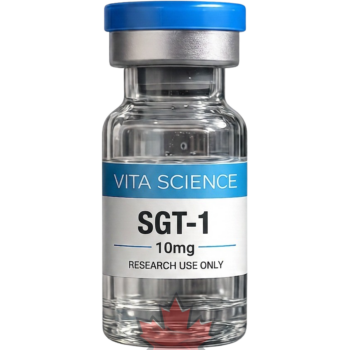
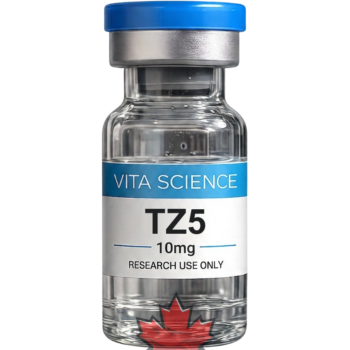
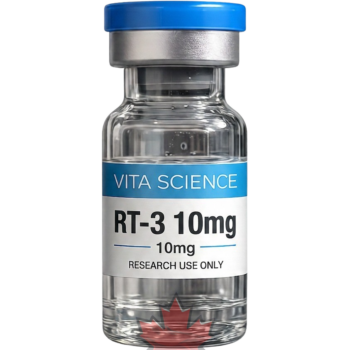
Peptides sold for research purposes, including the SM5, TZ5 and Reta lines on our site, are not approved by Health Canada for human use and are not prescription medicines. Their purity, dose accuracy and sterility depend on the manufacturer. Anyone considering weight-loss treatment should speak with a doctor first; prescribed medicines come with dosing guidance, monitoring and follow-up that matter for safety.
Who should avoid GLP-1 medicines
People with a personal or family history of medullary thyroid cancer or multiple endocrine neoplasia type 2, a history of pancreatitis, those who are pregnant or planning pregnancy, and people with certain digestive conditions are usually advised against them. Your prescriber will review your history.
Products in this guide
Each product page carries the chemistry, label strength, risks and references.

Questions
How much weight do people lose on GLP-1 medicines?
In major trials, average weight loss ranged from about 10 to over 20 percent of body weight over roughly 16 months, depending on the medicine and dose.
What happens when you stop?
Most people regain a substantial share of the weight within a year of stopping, which is why these are often treated as long-term medicines.
Are they covered in Canada?
Coverage varies by province and private plan. Some plans cover them for type 2 diabetes but not for weight management alone.
How are research peptides different?
Research peptides sold for research purposes are not approved by Health Canada, are not made under prescription-drug oversight, and their purity and dose depend on the supplier.
Sources
General information, not medical advice. Written for adults in Canada. Anabolic steroids are Schedule IV under the Controlled Drugs and Substances Act. Talk to a licensed healthcare provider and get bloodwork before using any compound.
Keep reading
 Peptides and SARMs · 2 minThe Science Behind SARMs: How Selective Androgen Modulators WorkSARMs exploit subtle differences in how the androgen receptor behaves in different tissues. Understanding that explains both their promise and their limits.
 Peptides and SARMs · 2 minSARMs vs Anabolic Steroids: Differences, Risks and the EvidenceSARMs were designed to build muscle without the side effects of steroids. In practice they are less selective than promised and far less studied.
 Peptides and SARMs · 2 minProhormones vs SARMs: How They Differ and Why Both Carry RiskBoth were sold as legal or safer alternatives to steroids. Many prohormones turned out to be oral steroids by another name, and SARMs carry their own uncertainties.