The Science Behind SARMs: How Selective Androgen Modulators Work
SARMs exploit subtle differences in how the androgen receptor behaves in different tissues. Understanding that explains both their promise and their limits.
SteroidsCanada.org editorial teamUpdated · 2 min read

On this page
Testosterone acts on the same androgen receptor in muscle, bone, prostate, skin and brain. The dream behind SARMs was a molecule that switches the receptor on in muscle and bone while leaving other tissues largely alone. Chemists got partway there, and the science of how is genuinely interesting.
One receptor, many responses
When an androgen binds the receptor, the receptor changes shape and recruits helper proteins called coregulators. Which coregulators are present differs between tissues. Steroids produce a shape that works well with the coregulators in almost every androgen-sensitive tissue. SARMs, with non-steroidal structures, produce slightly different shapes that work better with the coregulators in muscle and bone than in the prostate.
No conversion to DHT or estrogen
Testosterone’s effects on the prostate, scalp and skin are amplified by conversion to DHT, and some effects depend on conversion to estrogen. SARMs are not substrates for 5-alpha reductase or aromatase, so those amplifiers are missing. That accounts for much of their apparent selectivity.
Why selectivity is incomplete
- The brain still sees them: SARMs signal the hypothalamus and pituitary to reduce LH and FSH, suppressing natural testosterone.
- The liver responds: HDL cholesterol falls, a consistent finding across compounds.
- Dose overrides selectivity: at high doses, effects spread to more tissues.
The main compounds
| Compound | Development history | Notes |
|---|---|---|
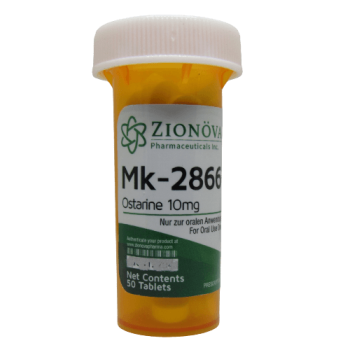
| Enobosarm (ostarine, MK-2866) | Phase 2 and 3 trials for cancer-related muscle loss | Most human data |
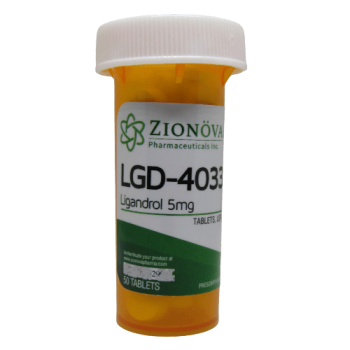
| LGD-4033 (ligandrol) | Phase 1 and 2 trials | Dose-dependent suppression and HDL drop |
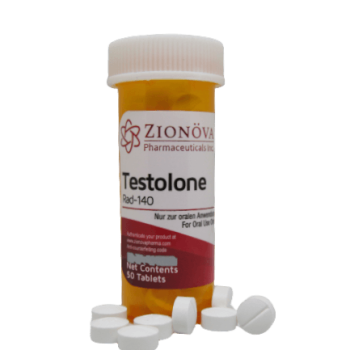
| RAD140 (testolone) | Early trials in breast cancer | Case reports of liver injury |
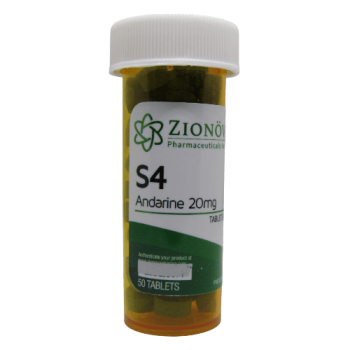
| S4 (andarine) | Preclinical, early studies | Visual disturbances reported |
Pharmacokinetics
Most SARMs were designed as oral drugs with half-lives of about a day, allowing once-daily dosing. That contrasts with injectable steroid esters lasting days to weeks. Oral activity was a design goal; unlike 17-alpha-alkylated steroids, SARMs reach this through different chemistry, though liver injury has still been reported.
Safety signals in the literature
Case reports describe drug-induced liver injury with cholestasis after SARM use, sometimes severe. Analyses of products sold online show frequent mislabelling. Because there is no long-term safety data in healthy people, the absence of known problems does not mean the absence of problems.
Compounds sold alongside SARMs
Several products marketed in the same category are not SARMs at all. MK-677 (ibutamoren) is an oral growth hormone secretagogue that raises growth hormone and IGF-1 and can increase appetite and blood sugar. GW-501516 (cardarine) is a PPAR-delta agonist whose drug development stopped after it caused cancers in animal studies. Grouping them with SARMs blurs very different risks.
Where the research stands
Interest continues in SARMs for muscle wasting, osteoporosis and some cancers, where modest gains could matter. For healthy people seeking bigger muscles, the trade-offs look less favourable. For a practical comparison with steroids, read SARMs versus steroids.
Products in this guide
Each product page carries the chemistry, label strength, risks and references.
Questions
Do SARMs affect bone?
Several were developed partly for osteoporosis, and animal and early human studies showed positive effects on bone, one of the original goals of the research.
Why are SARMs taken by mouth?
Most were designed as oral drugs with good absorption and half-lives of roughly a day, unlike injectable steroid esters.
Which SARMs reached human trials?
Enobosarm (ostarine), LGD-4033, RAD140 and several others reached early or mid-stage trials for muscle wasting, osteoporosis or cancer-related conditions.
Why did none get approved?
Trials showed modest benefits, and some programs were stopped for strategic or safety reasons. Regulators have not approved any SARM for medical use.
Are YK-11 and S4 SARMs?
S4 (andarine) is an early SARM. YK-11 is a steroidal compound marketed with SARMs; it is described as a partial androgen receptor agonist and may affect myostatin, with almost no human data.
Sources
General information, not medical advice. Written for adults in Canada. Anabolic steroids are Schedule IV under the Controlled Drugs and Substances Act. Talk to a licensed healthcare provider and get bloodwork before using any compound.
Keep reading
 Peptides and SARMs · 2 minSARMs vs Anabolic Steroids: Differences, Risks and the EvidenceSARMs were designed to build muscle without the side effects of steroids. In practice they are less selective than promised and far less studied.
 Peptides and SARMs · 2 minPeptides for Muscle Gain: A Plain-Language IntroductionPeptides are short chains of amino acids that signal the body to do specific things. A few have solid human research; most of the muscle claims rest on animal studies.
 Peptides and SARMs · 2 minGLP-1 Medicines and Weight Loss: What Canadians Should KnowGLP-1 medicines changed obesity treatment. They work by reducing appetite, and they work best when protein and strength training protect muscle along the way.