Peptides for Muscle Gain: A Plain-Language Introduction
Peptides are short chains of amino acids that signal the body to do specific things. A few have solid human research; most of the muscle claims rest on animal studies.
SteroidsCanada.org editorial teamUpdated · 2 min read
On this page
Peptides have become one of the most talked-about topics in fitness. Unlike steroids, they are not hormones themselves but short chains of amino acids that act as signals, telling glands or tissues to do something. Some have well-studied medical uses. Most of what circulates in gyms sits somewhere between promising animal research and marketing.
The main groups
| Group | Examples | What they target |
|---|---|---|
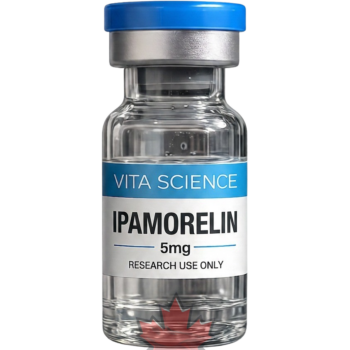
| Growth hormone releasing peptides (GHRPs) | Ipamorelin, GHRP-2 | Stimulate pituitary growth hormone pulses |
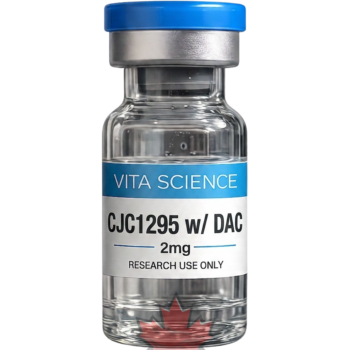
| GHRH analogues | CJC-1295, sermorelin, tesamorelin | Amplify the body’s own growth hormone release |
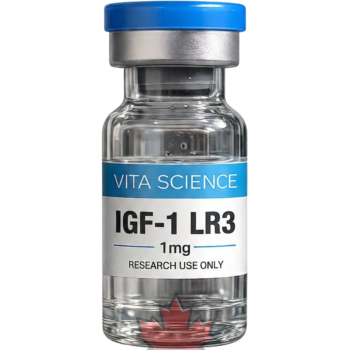
| IGF-1 variants | IGF-1 LR3 | Act downstream of growth hormone |
| Repair peptides | BPC-157, TB-500 | Tissue healing in animal studies |
| Weight-loss peptides | SM5, TZ5, Reta | Appetite and metabolism (see our GLP-1 guide) |
How the growth hormone peptides work
Your pituitary gland releases growth hormone in pulses, mostly during deep sleep. GHRPs such as ipamorelin bind the ghrelin receptor and trigger a pulse; GHRH analogues such as CJC-1295 make each pulse larger. Combining one of each produces a bigger response than either alone, which is why they are often paired. Growth hormone then raises IGF-1 from the liver.
Tesamorelin is the most established: it is approved in some countries to reduce abdominal fat in people with HIV-associated lipodystrophy. Sermorelin was once approved for growth hormone deficiency in children.
What the evidence says about muscle
In healthy adults, studies of growth hormone itself show increases in lean body mass that are largely water and connective tissue, with little gain in strength. Peptides that raise growth hormone more modestly are unlikely to do more. Claims of dramatic muscle gain from peptides alone are not supported by human trials. Recovery, sleep quality and fat loss effects are reported anecdotally, but good controlled data in trained people is scarce.
Risks and side effects
- Water retention, tingling or numb hands, and joint aches (from raised growth hormone)
- Higher blood sugar and lower insulin sensitivity
- Increased appetite (GHRP-2 and ghrelin-like effects)
- Low blood sugar with IGF-1 LR3 if not eating enough
- Injection-site reactions and infection risk with poor technique
- Unknown long-term effects, including on cancer growth for IGF-1-raising compounds
Mixing and injecting basics
- Wipe the vial stoppers with alcohol.
- Add bacteriostatic water slowly down the side of the vial; do not shake.
- Swirl gently until dissolved and refrigerate.
- Draw doses with a new 30G insulin syringe; inject under the skin of the abdomen or thigh.
Each peptide product page lists the mixing ratio and what 10 units on the syringe contains.
Legal status in Canada
Most research peptides are not approved by Health Canada for human use and are sold for research purposes. Prescription peptides and growth hormone itself are regulated drugs. Many peptides, including growth hormone secretagogues, are banned in sport under the World Anti-Doping Code.
Monitoring
Fasting glucose and HbA1c, IGF-1, and a check of blood pressure before and during use give a reasonable picture. The protocol builder includes peptide kits with the correct supplies and a bloodwork plan.
Products in this guide
Each product page carries the chemistry, label strength, risks and references.

Questions
Do peptides work as well as steroids for muscle?
No. Growth hormone releasing peptides raise growth hormone modestly. In healthy adults, extra growth hormone mainly adds water and connective tissue, with little strength gain.
What is bacteriostatic water for?
Freeze-dried peptides are mixed (reconstituted) with bacteriostatic water, which contains a small amount of benzyl alcohol to limit bacterial growth in the vial.
Do peptides need refrigeration?
Usually yes, once mixed. Unmixed powder is often stored cold too. Check each product page.
Can peptides raise blood sugar?
Peptides that raise growth hormone or IGF-1 can reduce insulin sensitivity, so blood sugar is worth monitoring.
Sources
General information, not medical advice. Written for adults in Canada. Anabolic steroids are Schedule IV under the Controlled Drugs and Substances Act. Talk to a licensed healthcare provider and get bloodwork before using any compound.
Keep reading
 Peptides and SARMs · 2 minThe Science Behind SARMs: How Selective Androgen Modulators WorkSARMs exploit subtle differences in how the androgen receptor behaves in different tissues. Understanding that explains both their promise and their limits.
 Peptides and SARMs · 2 minSARMs vs Anabolic Steroids: Differences, Risks and the EvidenceSARMs were designed to build muscle without the side effects of steroids. In practice they are less selective than promised and far less studied.
 Peptides and SARMs · 2 minGLP-1 Medicines and Weight Loss: What Canadians Should KnowGLP-1 medicines changed obesity treatment. They work by reducing appetite, and they work best when protein and strength training protect muscle along the way.