
Harm Reduction for Steroid Use: A Practical Safety Guide
No steroid use is risk-free. If you have decided to use anyway, these are the habits that catch problems early and prevent the avoidable ones.
SteroidsCanada.org editorial teamUpdated · 3 min read
On this page
The safest choice is not to use anabolic steroids. That said, many Canadian adults do, and harm reduction is about making that use less dangerous rather than pretending it does not happen. This guide covers the practical steps that catch problems early: testing, monitoring, hygiene, product quality and knowing when to stop.
Start with a baseline
Bloodwork before you start tells you what normal looks like for you. Without it, a later result is hard to interpret. A useful baseline panel includes:
| Test | Why it matters |
|---|---|
| Complete blood count | Hematocrit and hemoglobin; steroids thicken the blood |
| Lipid panel | HDL and LDL cholesterol shift on most compounds |
| Liver enzymes (ALT, AST, GGT) | Essential for any oral steroid |
| Creatinine and eGFR | Kidney function |
| Total and free testosterone, LH, FSH | Your natural production, so you can judge recovery later |
| Estradiol and prolactin | Hormones behind breast tissue and libido problems |
| PSA (men over 40) | Prostate screening |
| Fasting glucose or HbA1c | Blood sugar, especially with growth hormone or peptides |
Measure blood pressure yourself
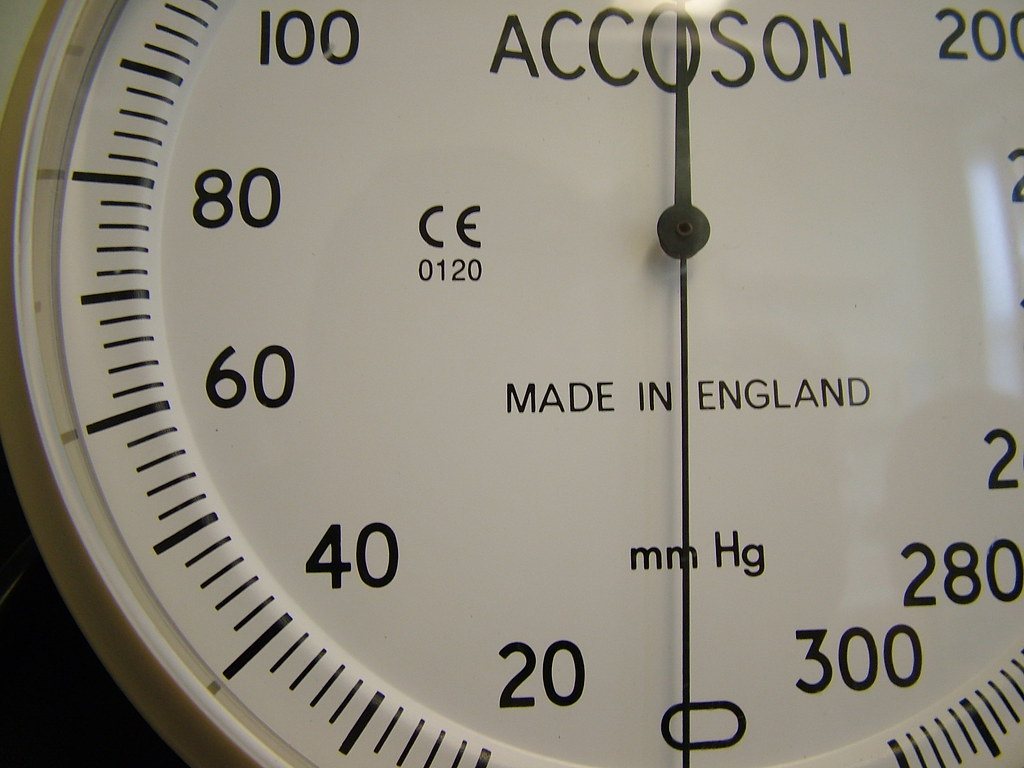
Blood pressure is the side effect most likely to rise silently, and the easiest to track. Buy a validated upper-arm monitor; Hypertension Canada keeps a list of recommended devices. Measure seated, with your back supported and arm at heart level, after five minutes of rest. Record the readings. Consistent readings above 130/80 are a warning; above 140/90, stop and see a doctor; 180/120 or higher, or any reading with chest pain or a severe headache, is an emergency.
Keep amounts and durations modest
Nearly every risk of anabolic steroids rises with dose and time on. Hematocrit, blood pressure, cholesterol changes, heart remodelling and the length of suppression all scale with how much and for how long. Clinical reference amounts, the ones on medical labels and guidelines, are a useful anchor. Product pages on our site list them alongside the risks for exactly this reason.
Injection hygiene
- Use a new sterile needle and syringe for every injection. Never reuse, never share.
- Wash your hands, then wipe the vial stopper and the skin with an alcohol swab and let them dry.
- Use 3 ml syringes with 23 to 25 gauge needles for oil into muscle, and 30G insulin syringes for peptides under the skin.
- Rotate sites so each one recovers.
- Put used sharps straight into a sharps container; many pharmacies take full ones back.
Our guide to intramuscular injection covers technique step by step.
Know what you are using
Studies of seized steroids have repeatedly found products with less, more or different drug than the label says, and some with bacterial contamination. Buy from a supplier that names the manufacturer, prints strength, volume, batch and expiry on the label, and stands behind its products. Inspect every vial: sealed cap, intact crimp, clear oil without floating particles.
Signs to stop and get help
- Chest pain, shortness of breath or palpitations
- Sudden weakness, numbness or slurred speech
- Calf pain and swelling (possible clot)
- Yellow skin or eyes, dark urine or pale stools
- Severe mood changes, aggression or thoughts of self-harm (call or text 988)
- Blood in the urine or a big drop in urine output
Plan the end before the start
Using steroids shuts down your own testosterone. Before starting, decide how long you will use, and plan follow-up bloodwork for six to twelve weeks after stopping to confirm recovery. If you want a visual plan with bloodwork checkpoints to take to your doctor, the protocol builder lays one out after a health screen.
Talk to a doctor
Many people avoid telling their doctor. In Canada, possession for personal use is not an offence under the Controlled Drugs and Substances Act, and physicians are bound by confidentiality. Being honest means your results are interpreted correctly and problems are caught sooner.
Products in this guide
Each product page carries the chemistry, label strength, risks and references.


Questions
Will a doctor in Canada order bloodwork if I tell them I use steroids?
Many will, and being honest helps them interpret results correctly. Doctors are bound by confidentiality, and possession for personal use is not an offence under the Controlled Drugs and Substances Act.
How often should I check my blood pressure?
At least weekly, at the same time of day, seated after five minutes of rest. Daily for the first two weeks of anything new is even better.
What is a dangerous hematocrit?
Many clinicians act when it rises above about 54 percent, because clot and stroke risk increase. Some intervene earlier.
Is it safer to use lower amounts for longer?
Lower amounts reduce many risks, but long continuous use brings its own problems, such as prolonged suppression and cumulative cardiovascular strain.
Sources
General information, not medical advice. Written for adults in Canada. Anabolic steroids are Schedule IV under the Controlled Drugs and Substances Act. Talk to a licensed healthcare provider and get bloodwork before using any compound.
Keep reading
 Health and safety · 2 minTestosterone Replacement Therapy vs Steroid Cycles: Key DifferencesTestosterone replacement therapy and a steroid cycle can use the same vial. Almost everything else about them is different.
 Health and safety · 2 minCold Exposure and Muscle Recovery: Ice Baths, Timing and Trade-offsCold plunges can ease soreness, but right after lifting they may blunt muscle growth. Timing decides whether cold helps or hurts your goals.
 Health and safety · 3 minGetting Bloodwork in Canada: Doctors, Labs and Private PanelsWho can order your tests, which labs run them in each province, what you can pay for yourself, and the preparation mistakes that make lifters' results look worse than they are.