Cold Exposure and Muscle Recovery: Ice Baths, Timing and Trade-offs
Cold plunges can ease soreness, but right after lifting they may blunt muscle growth. Timing decides whether cold helps or hurts your goals.
SteroidsCanada.org editorial teamUpdated · 2 min read
On this page
Cold plunges have gone from elite sport to backyard trend. For Canadians, the cold is never far away, and lakes, snowbanks and garden tubs all become recovery tools. The research on cold exposure is more nuanced than social media suggests, especially for people whose main goal is building muscle.
What cold does
Immersion in cold water narrows blood vessels in the skin and limbs, lowers tissue temperature and dulls pain signals. Afterwards, blood flow returns. People reliably report feeling less sore and more alert, and some studies show slightly faster return of performance in the day or two after very hard exercise.
Soreness: a modest win
Reviews of the research, including a Cochrane review, found that cold water immersion reduces muscle soreness compared with passive rest in the days after exercise. The effect is real but moderate, and similar benefits come from active recovery such as easy cycling or walking.
Muscle growth: the catch
Strength training causes a burst of inflammation and signalling inside muscle that drives adaptation. Cooling the muscle straight afterward appears to dampen that signal. In a well-known study, people who took regular ice baths after leg training gained less muscle and strength over twelve weeks than those who did active recovery. Other studies have found similar blunting.
When cold makes sense
- Tournaments or multiple events in a day
- Endurance sport with back-to-back hard days
- Heat illness or overheating
- On rest days, for how it makes you feel
When to skip it
- Within a few hours after lifting, if growth is the goal
- With heart disease or uncontrolled blood pressure
- With Raynaud’s or cold sensitivity
- Alone in open water
Timing and dose
If you enjoy cold exposure and lift for size, separate them: a cold plunge in the morning and training in the evening, or cold on non-training days. Most studies use water at 10 to 15 °C for 10 to 15 minutes. Starting with 1 to 3 minutes and building up is safer than jumping into ice water for a long session.
Safety first
- Stay under supervision when trying it for the first time.
- Get out if you shiver uncontrollably, feel confused or lose dexterity.
- Warm up gradually afterward with dry clothes and movement; avoid a very hot shower straight away if you feel faint.
- Avoid alcohol before cold exposure.
Cold, steroids and blood pressure
Anabolic steroids, especially at higher doses, can raise blood pressure and heart rate and thicken the blood. Cold exposure adds a sudden blood pressure spike. If your home readings are high, or you are using compounds that affect your heart, discuss cold plunges with a doctor before making them routine.
Practical takeaway
Cold exposure is a pleasant tool for soreness and alertness, and a poor one to use right after lifting if muscle growth is your goal. For most lifters, sleep, protein and sensible programming matter far more. See our guide to sleep and recovery for the basics that make the biggest difference.
Questions
How cold and how long?
Studies commonly use 10 to 15 °C water for 10 to 15 minutes. Colder or longer adds risk without clear extra benefit.
Is a cold shower as good as an ice bath?
A cold shower is milder and less studied, but many people find it refreshing. It is unlikely to blunt muscle growth much.
Does cold exposure burn fat?
It activates brown fat and raises calorie use slightly, but the effect on body fat is small compared with diet.
Are cold plunges safe with high blood pressure?
Sudden cold raises blood pressure and heart rate sharply. People with heart disease or uncontrolled blood pressure should talk to a doctor first.
Sources
General information, not medical advice. Written for adults in Canada. Anabolic steroids are Schedule IV under the Controlled Drugs and Substances Act. Talk to a licensed healthcare provider and get bloodwork before using any compound.
Keep reading
 Health and safety · 2 minSteroids, Mood Swings and Mental Health: What to Watch ForThe mental effects of anabolic steroids are less visible than the physical ones, and people often notice them last. Partners and friends usually notice first.
 Health and safety · 2 minSteroids and Insomnia: Why Sleep Suffers and How to Fix ItPoor sleep is one of the most common complaints on certain compounds, and it quietly undermines recovery, mood and blood pressure.
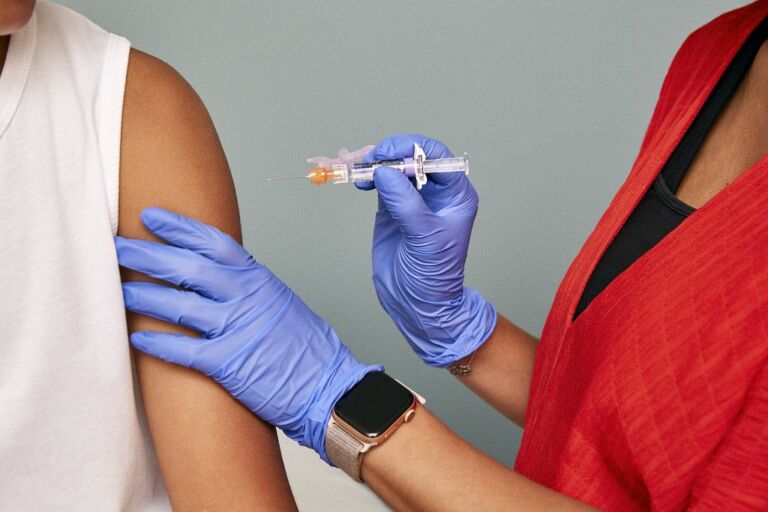 Health and safety · 2 minHow to Give an Intramuscular Injection Safely: Step by StepClean technique prevents most injection problems. Here is the equipment, the sites and each step, based on standard nursing practice.