
Testosterone Replacement Therapy vs Steroid Cycles: Key Differences
Testosterone replacement therapy and a steroid cycle can use the same vial. Almost everything else about them is different.
SteroidsCanada.org editorial teamUpdated · 2 min read
On this page
Testosterone replacement therapy (TRT) is a medical treatment. A steroid cycle is a period of using anabolic steroids, usually above natural levels, for muscle or performance. They can involve the same testosterone enanthate in the same syringe, which is why they are often confused. The goals, doses, oversight and risks are very different.
The core differences
| TRT | Steroid cycle | |
|---|---|---|
| Purpose | Treat diagnosed low testosterone | Build muscle, strength or performance |
| Target level | Mid-normal range | Above normal, often far above |
| Typical amount | About 75 to 100 mg a week of enanthate or cypionate | Often several times that, sometimes with other compounds |
| Duration | Long-term, often lifelong | Weeks to months, then stop |
| Oversight | Doctor, regular bloodwork | Often none |
| Legal status in Canada | Prescription medicine | Schedule IV; personal possession not an offence, supply is |
Who TRT is for
Guidelines recommend TRT for men with consistent symptoms of low testosterone, such as low libido, erectile problems, fatigue, low mood and loss of muscle, together with two separate early-morning blood tests showing low testosterone. Doctors look for causes first: pituitary problems, medications such as opioids, obesity, sleep apnea and other illnesses. Fixing the cause sometimes restores levels without treatment.
Symptoms alone, without low blood levels, are not a reason for TRT. Many of the same symptoms come from poor sleep, stress, depression or other conditions.
What TRT monitoring looks like
- Testosterone levels at 3 to 6 months, then yearly
- Hematocrit before starting, at 3 to 6 months and yearly; treatment is paused if it rises above 54 percent
- PSA and prostate assessment in men over 40
- Assessment of symptoms, blood pressure and side effects
What both have in common
Any outside testosterone tells the brain to stop the signals that drive natural production. On both TRT and cycles, natural testosterone falls and sperm production usually drops sharply. Men who want to father children need a plan with their doctor.
Risk differs with dose
At normal levels, TRT has a reasonable safety record in men who truly need it. A large trial, TRAVERSE, found testosterone treatment in older men with low levels did not increase major heart events compared with placebo over about two years, though it noted more atrial fibrillation and kidney problems. Cycles that push levels well above normal bring higher risks: thicker blood, high blood pressure, lipid changes, heart muscle thickening and mood effects all rise with dose.
Getting assessed in Canada
- Book with your family doctor or a walk-in clinic and describe your symptoms honestly.
- Expect two morning blood tests for total testosterone, and often LH, FSH, prolactin and other tests.
- If low, your doctor will look for causes and discuss options, or refer you to an endocrinologist or urologist.
- If you start TRT, keep your follow-up tests; they keep it safe.
Be open about any past steroid use. It changes how your results are read, and possession for personal use is not an offence under the Controlled Drugs and Substances Act.
After a cycle: recovery or TRT?
Some men find their testosterone stays low long after stopping a cycle. Bloodwork 6 to 12 weeks after stopping shows where you stand. If levels stay low, a doctor can assess whether recovery treatment or TRT is appropriate.
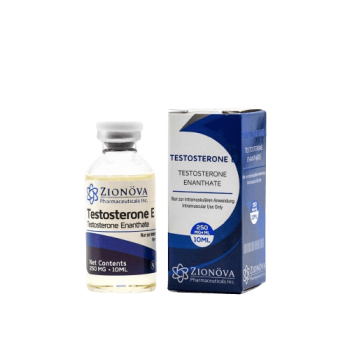
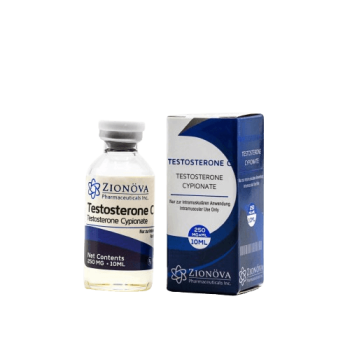
Products in this guide
Each product page carries the chemistry, label strength, risks and references.
Questions
How is low testosterone diagnosed in Canada?
With symptoms plus two separate early-morning blood tests showing low total testosterone, often with LH and FSH to find the cause.
Does TRT cost money in Canada?
Testosterone is covered by many provincial and private drug plans when prescribed for diagnosed hypogonadism. Coverage varies by province and plan.
Can I come off TRT later?
Yes, but your natural production may take months to recover, and some men do not return to their previous levels. Discuss it with your doctor.
Can TRT and fertility go together?
Testosterone alone usually lowers sperm counts. Men who want children are typically offered other treatments; talk to a urologist or fertility specialist.
Sources
General information, not medical advice. Written for adults in Canada. Anabolic steroids are Schedule IV under the Controlled Drugs and Substances Act. Talk to a licensed healthcare provider and get bloodwork before using any compound.
Keep reading
 Health and safety · 2 minThyroid Conditions and Weight: What Canadians Should KnowAn underactive thyroid can add a few kilograms and leave you exhausted. Treating it helps, but thyroid hormone is not a fat-loss tool for everyone else.
 Health and safety · 2 minCold Exposure and Muscle Recovery: Ice Baths, Timing and Trade-offsCold plunges can ease soreness, but right after lifting they may blunt muscle growth. Timing decides whether cold helps or hurts your goals.
 Health and safety · 2 minSteroids, Mood Swings and Mental Health: What to Watch ForThe mental effects of anabolic steroids are less visible than the physical ones, and people often notice them last. Partners and friends usually notice first.