How to Give an Intramuscular Injection Safely: Step by Step
Clean technique prevents most injection problems. Here is the equipment, the sites and each step, based on standard nursing practice.
SteroidsCanada.org editorial teamUpdated · 2 min read
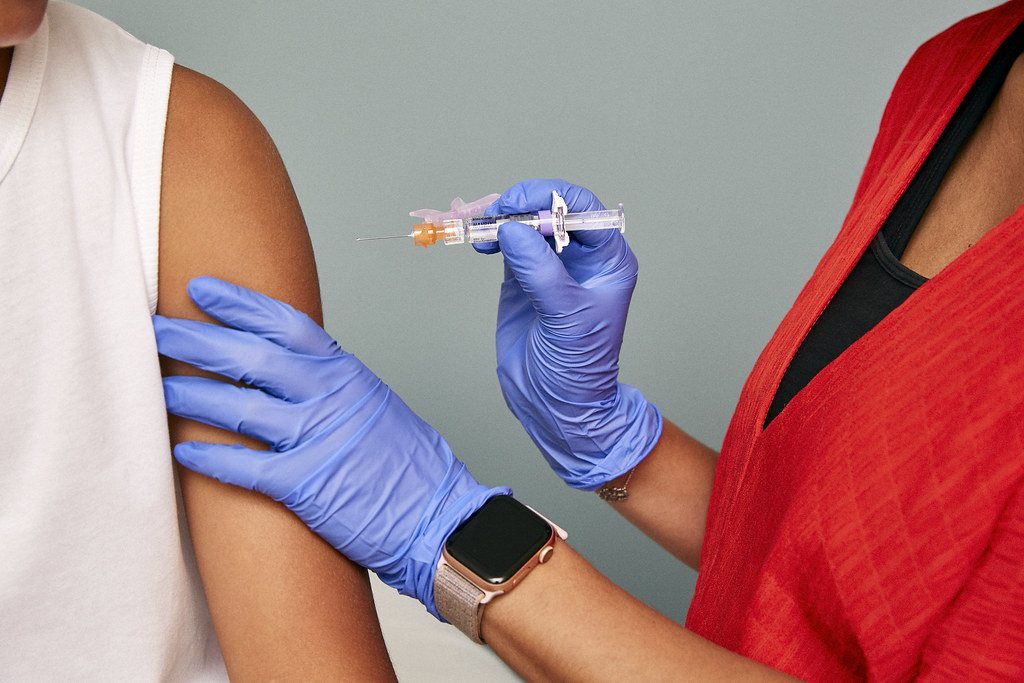
An intramuscular injection places medicine deep into a muscle, where a good blood supply absorbs it steadily. Nurses give millions of them a year with very few problems, because the technique is simple and consistent. Most complications in self-injection come from skipped hygiene steps, the wrong equipment or the wrong site.
Equipment
| Item | For oil into muscle | For peptides under the skin |
|---|---|---|
| Syringe | 3 ml | 1 ml insulin syringe (U-100) |
| Needle gauge | 23 to 25G (draw with 18 to 21G if you prefer) | 29 to 31G, fixed |
| Needle length | 1 to 1.5 inches (25 to 38 mm) | 5/16 to 1/2 inch (8 to 12.7 mm) |
| Also needed | Alcohol swabs, gauze or cotton, a bandage, and a sharps container | |
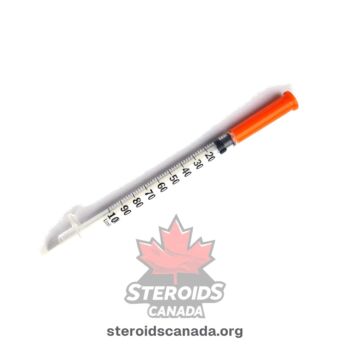
Our 3 ml 25G syringes are sized for oil injections, and EasyTouch 30G insulin syringes for peptides mixed with bacteriostatic water.
Choosing a site
Thigh (vastus lateralis)
- Outer middle third of the thigh
- Easy to see and reach
- Good for beginners
Ventrogluteal (side of hip)
- Away from major nerves and vessels
- Thick muscle, thin fat layer
- Preferred by nurses
Upper outer buttock (dorsogluteal)
- Traditional site
- Risk of hitting the sciatic nerve if placed too low or central
- Hard to reach yourself
The deltoid (shoulder) is a common vaccine site but small; it takes only about 1 ml comfortably.
Step by step
- Prepare a clean surface and wash your hands with soap for 20 seconds.
- Check the vial: right product, strength and expiry; oil clear with no particles.
- Swab the stopper with alcohol and let it dry.
- Draw up: pull air into the syringe equal to the dose, inject it into the vial, then draw the liquid. Tap out bubbles.
- Change the needle if you drew with a larger one; a fresh, sharp needle hurts less.
- Swab the site in a circle from the centre outward and let it dry completely.
- Insert at 90 degrees with a quick, dart-like motion, stretching the skin flat with your other hand.
- Inject slowly, about 10 seconds per millilitre; thick oil needs patience.
- Wait 10 seconds, then withdraw straight out and press gently with gauze. Do not rub.
- Dispose of the needle and syringe in the sharps container immediately.
Reducing pain
- Let the skin dry after the alcohol swab; wet alcohol stings.
- Warm the vial in your hand to make oil flow easier.
- Relax the muscle: sit for thigh injections, stand with weight on the opposite leg for hip injections.
- Rotate sites and keep a log of where you injected.
- Gentle movement afterwards helps the oil disperse.
Warning signs
Small lumps that are firm and slightly tender often settle within a week. Lumps that get bigger, hotter or more painful should be checked.
Disposal
Never put loose needles in household garbage or recycling. Use a puncture-proof sharps container; many Canadian pharmacies give them out and accept full ones back free of charge. Our guide to disposing of used needles in Canada lists the options.
Products in this guide
Each product page carries the chemistry, label strength, risks and references.


Questions
Do I need to aspirate?
Current nursing guidance says aspiration is not required for most intramuscular sites, but many people still do it for oil-based injections. If you see blood, withdraw and start again with a new needle.
How much volume can one site take?
Most guidance suggests up to about 2 to 3 ml in a large muscle like the thigh or ventrogluteal site; smaller muscles take less.
Why does my injection site hurt for days?
Some soreness is normal, especially with short esters or large volumes. Pain that worsens, spreading redness, heat or fever are signs of infection.
Can I use an insulin syringe for oil?
No. Insulin needles are too short to reach muscle and too fine for thick oil. They are for injections under the skin.
Sources
General information, not medical advice. Written for adults in Canada. Anabolic steroids are Schedule IV under the Controlled Drugs and Substances Act. Talk to a licensed healthcare provider and get bloodwork before using any compound.
Keep reading
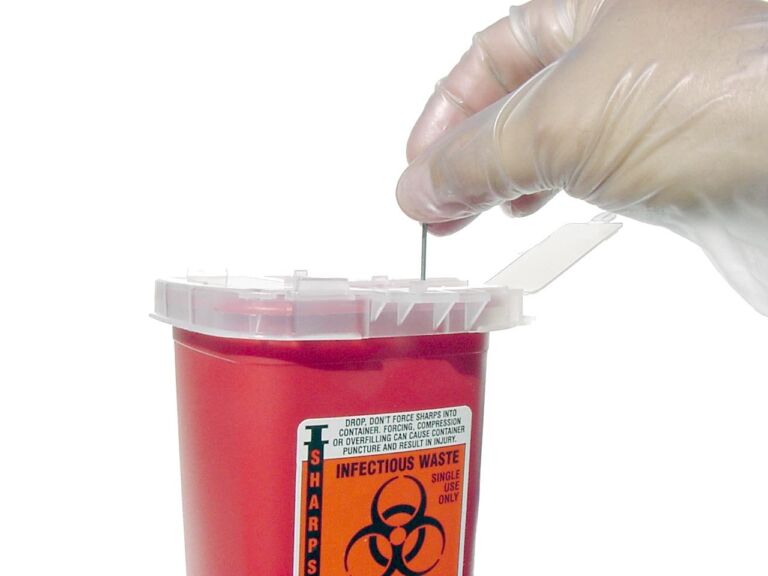 Health and safety · 2 minHow to Dispose of Used Needles and Syringes in CanadaUsed needles in household garbage injure sanitation workers every year. Proper disposal is free or cheap almost everywhere in Canada.
 Health and safety · 2 minSleep and Recovery: Why Deep Sleep Builds Muscle and Prevents InjurySleep is the most effective recovery tool most people neglect. Short sleep lowers strength, raises injury risk and makes fat loss harder.
 Health and safety · 3 minSteroids and Injury Recovery: What the Evidence Actually ShowsSteroids are often credited with faster recovery. Some of that is real, some is a feeling of less soreness, and some of it sets up the next injury.