
Injection Site Infections and Abscesses: Spotting Trouble Early
Some soreness after an oil injection is normal. Spreading redness, heat, a growing lump or a fever is not. Here is how to tell the difference and what to do about it.
SteroidsCanada.org editorial teamUpdated · 3 min read
On this page
Infections are one of the most common reasons people who inject performance drugs end up in an emergency department, and one of the most preventable. Most start small, as a sore spot that gets worse instead of better. Catching the change early is the difference between a short course of treatment and surgery.
Normal soreness or infection?
| Sign | Usually normal | Suggests infection |
|---|---|---|
| Timing | Peaks within 24 to 48 hours, then improves | Gets worse after day two, or starts days later |
| Redness | None, or a small pink spot | Spreading redness, often with a clear edge |
| Heat | None | Skin feels hot compared with the other side |
| Lump | Small, firm, slowly shrinking | Growing, tender, soft in the middle |
| Body | Feel fine | Fever, chills, feeling unwell |
A simple trick: draw around the edge of any redness with a pen. If it has spread past the line a few hours later, the infection is advancing and needs attention.
The three things that can happen
Cellulitis
An infection of the skin and the tissue just below it. The area is red, warm, swollen and tender, and the redness spreads. It is usually treated with antibiotics by mouth, and most people improve within two or three days of starting them.
Abscess
A walled-off pocket of pus, usually in the muscle or just under the skin. It feels like a tender lump that becomes soft or “fluctuant” in the middle. Antibiotics alone often do not clear it, because they cannot get into the pocket well. A clinician drains it through a small cut, and sometimes deeper abscesses need ultrasound guidance or surgery.
Spreading infection and sepsis
Rarely, bacteria spread into the blood or along the tissue layers. Severe pain that seems far worse than the redness, skin turning dusky or purple, red streaks running up the limb, a racing heart, confusion or fainting are emergencies. Call 911.
What causes injection infections
- Reused or shared needles and syringes. Even reusing your own needle carries skin bacteria into the muscle.
- Contaminated vials. Multi-dose vials punctured many times, especially without wiping the stopper, collect bacteria.
- Poor skin preparation. Injecting without cleaning the skin, or through clothing.
- Badly made product. Oils filtered or bottled in unsterile conditions.
- Large volumes into small muscles. Tissue damage gives bacteria a place to settle.
Prevention checklist
- Wash your hands with soap for 20 seconds.
- Wipe the vial stopper with an alcohol swab and let it dry.
- Use a new sterile needle and syringe every time; use a fresh needle to inject after drawing up.
- Clean the injection site with alcohol in a circle from the centre outwards and let it dry.
- Rotate sites so the same spot is not used again for at least a week.
- Never share vials, needles or syringes, and dispose of sharps in a proper container.
- Do not inject into an area that is already red, swollen or bruised.
Our guides on giving an intramuscular injection safely and disposing of used needles in Canada cover technique in more detail. Free sterile supplies are available through harm reduction programmes across the country, and we include fresh 25 gauge syringes in the shop.
Getting treated without judgement
Emergency departments and walk-in clinics in Canada treat injection infections every day. Clinicians need to know what was injected, where and when, to treat you properly. Your information is confidential, and possession of anabolic steroids for personal use is not an offence under the Controlled Drugs and Substances Act. Delaying care because of embarrassment is how small infections become serious ones.
Products in this guide
Each product page carries the chemistry, label strength, risks and references.
Questions
Is a hard lump after an injection an abscess?
Not always. A small firm lump from oil that slowly shrinks over days is common. A lump that grows, softens in the middle, turns red and hot or leaks pus is likely an abscess.
Can I drain an abscess myself?
No. Squeezing or cutting it at home can push infection deeper. Clinicians drain abscesses under sterile conditions, send a swab to the lab and decide whether antibiotics are needed.
What is a sterile abscess?
A pocket of inflammation caused by the oil or solvent rather than bacteria. It can look similar, so it still needs a clinician to examine it.
Where can I get free sterile supplies in Canada?
Harm reduction programmes and many pharmacies across Canada provide sterile needles, syringes, alcohol swabs and sharps containers free or at low cost.
Sources
General information, not medical advice. Written for adults in Canada. Anabolic steroids are Schedule IV under the Controlled Drugs and Substances Act. Talk to a licensed healthcare provider and get bloodwork before using any compound.
Keep reading
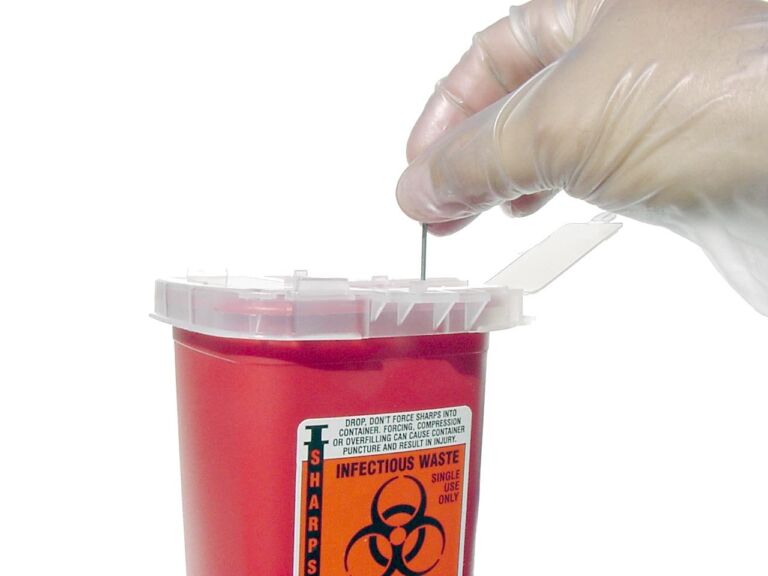 Health and safety · 2 minHow to Dispose of Used Needles and Syringes in CanadaUsed needles in household garbage injure sanitation workers every year. Proper disposal is free or cheap almost everywhere in Canada.
 Health and safety · 2 minAnti-Aging Supplements: Which Ones Have Real Evidence?The supplement aisle promises to slow ageing. A few products have solid evidence for specific benefits; most longevity claims rest on animal studies.
 Health and safety · 2 minLiver Support Supplements: What the Evidence Really SaysLiver supplements are sold as insurance for oral steroids. The evidence that they prevent steroid liver injury is thin. Here is what each one does and what actually protects your liver.