
How to Dispose of Used Needles and Syringes in Canada
Used needles in household garbage injure sanitation workers every year. Proper disposal is free or cheap almost everywhere in Canada.
SteroidsCanada.org editorial teamUpdated · 2 min read
On this page
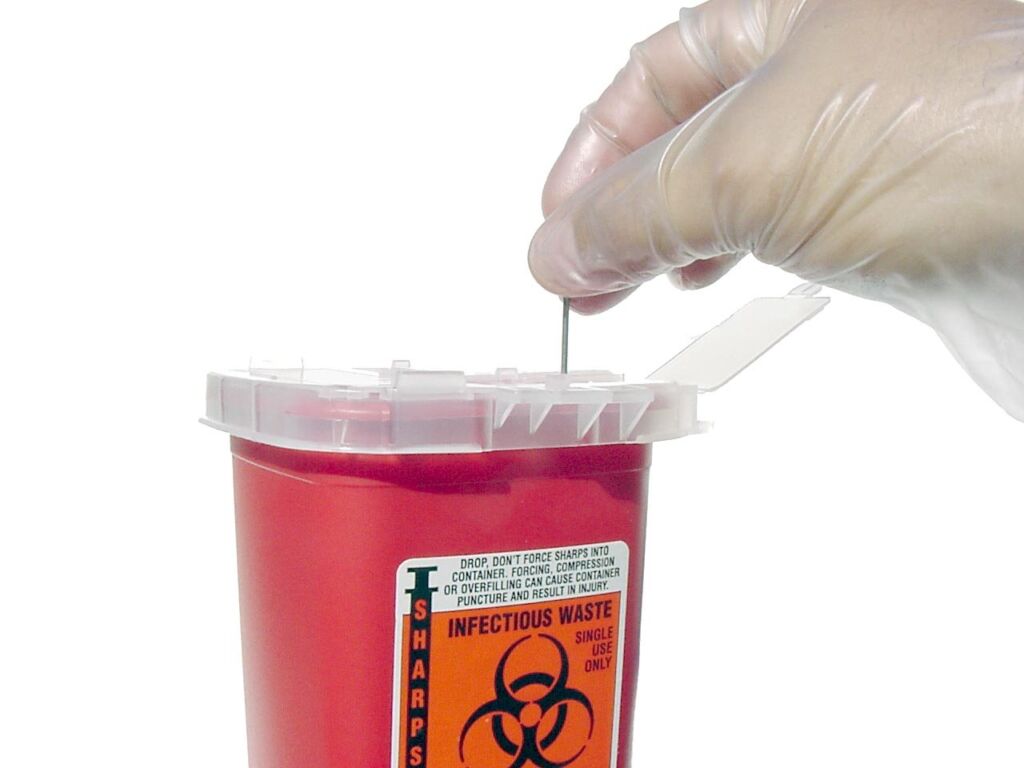
Every year, waste and recycling workers in Canada are injured by needles thrown out with household garbage. Each injury means anxiety, testing and sometimes months of preventive medication for the person stuck. Disposing of sharps properly takes a few seconds and costs little or nothing.
The basic rules
- Put used needles and syringes into a sharps container immediately after use.
- Do not recap needles; most needle-stick injuries happen while recapping.
- Do not bend, break or cut needles.
- Never put loose sharps in the garbage, recycling or toilet.
- Keep containers out of reach of children and pets.
- Close and return containers once they are about two-thirds full.
Where to get a sharps container
Most pharmacies across Canada provide sharps containers, often free, and accept full ones back. Several provinces fund take-back programs through the Health Products Stewardship Association, which lists participating pharmacies. Some municipalities also run household hazardous waste depots that take sharps. Harm-reduction sites and community health centres usually provide containers and supplies without questions.
If you do not have a proper container
- Find a rigid, puncture-resistant plastic bottle with a screw-on lid, such as a detergent or bleach bottle.
- Label it clearly: “SHARPS, DO NOT RECYCLE”.
- Drop used needles in point first.
- When it is two-thirds full, screw the lid on tightly and tape it shut.
- Take it to a pharmacy or depot that accepts sharps.
Avoid glass containers, which can shatter, and milk jugs or pop bottles, which needles can pierce.
Vials, swabs and packaging
| Item | Where it goes |
|---|---|
| Needles, syringes, lancets | Sharps container |
| Empty glass vials and ampoules | Sharps container or pharmacy take-back |
| Used alcohol swabs and gauze | Household garbage, in a sealed bag |
| Outer cardboard boxes and leaflets | Recycling, after removing personal information |
| Unused or expired medicines | Pharmacy medication return |
Travelling with needles
Pack a small travel sharps container. Carry supplies in their original packaging where possible, and for prescribed medicines keep a copy of the prescription. Check your airline’s rules before you fly, and remember that other countries have their own laws about the substances you carry.
If you are stuck by a needle
If you are stuck by your own used needle, wash the area and watch for signs of infection. The risk of a blood-borne infection from your own needle is minimal, though skin bacteria can still cause a local infection.
Finding a needle in public
Do not pick it up with bare hands. Many Canadian cities run needle pick-up hotlines or have 311 services that send trained staff. If you must move it to keep children safe, use tongs or thick gloves, place it point first in a rigid container and take it to a pharmacy or drop box.
Why it matters
Responsible disposal protects the people who handle waste, keeps public spaces safe, and is part of the same habits that protect you: new needles every time, clean technique and nothing shared. For technique, see our guide to intramuscular injection.
Products in this guide
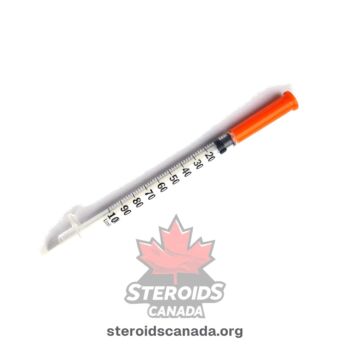
Each product page carries the chemistry, label strength, risks and references.

Questions
Can I put a full sharps container in the garbage?
In most Canadian municipalities, no. Return it to a pharmacy or a designated drop-off site. Check your city's waste website for local rules.
What if I do not have a sharps container?
Use a rigid plastic bottle with a screw lid, such as a laundry detergent bottle, label it clearly as sharps, and take it to a pharmacy once two-thirds full.
What do I do with empty vials?
Glass vials without needles can usually go in the sharps container or be returned with it. Do not put them in glass recycling if they held medicine.
How do I travel with needles?
Keep a small travel sharps container, carry your supplies in original packaging, and check airline rules before flying.
Sources
General information, not medical advice. Written for adults in Canada. Anabolic steroids are Schedule IV under the Controlled Drugs and Substances Act. Talk to a licensed healthcare provider and get bloodwork before using any compound.
Keep reading
 Health and safety · 2 minHormonal Imbalances and Weight Gain: Causes, Tests and Help in CanadaHormones can make weight harder to manage, but true hormone disorders explain only part of the picture. Knowing which tests matter helps you get answers faster.
 Health and safety · 2 minLiver Support Supplements: What the Evidence Really SaysLiver supplements are sold as insurance for oral steroids. The evidence that they prevent steroid liver injury is thin. Here is what each one does and what actually protects your liver.
 Health and safety · 2 minSteroids and Insomnia: Why Sleep Suffers and How to Fix ItPoor sleep is one of the most common complaints on certain compounds, and it quietly undermines recovery, mood and blood pressure.