Anti-Aging Supplements: Which Ones Have Real Evidence?
The supplement aisle promises to slow ageing. A few products have solid evidence for specific benefits; most longevity claims rest on animal studies.
SteroidsCanada.org editorial teamUpdated · 2 min read
On this page
Longevity has become a supplement category of its own, with products promising younger cells, more energy and a slower clock. Some supplements do have good evidence for specific benefits in older adults. Many more rest on promising results in mice or in a dish that have not held up in people.
Supplements with solid evidence
| Supplement | What it does | Who benefits |
|---|---|---|
| Creatine monohydrate | Boosts muscle energy; with strength training, increases muscle and strength | Older adults who lift; anyone training |
| Vitamin D | Supports bone health; reduces falls in deficient people | Canadians with low levels, especially in winter |
| Protein | Helps preserve muscle with age | Adults over 60 often under-eat protein |
| Vitamin B12 | Prevents deficiency anemia and nerve problems | Older adults, people on metformin or acid reducers, vegans |
| Omega-3 (EPA, DHA) | Lowers triglycerides; mixed results for heart events | People with high triglycerides; those eating little fish |
Supplements with limited evidence
- Coenzyme Q10: may help muscle pain on statins for some people; little proven anti-ageing effect.
- Collagen: small improvements in skin measures in some trials; joint benefits uncertain.
- Vitamin C and E: high-dose antioxidants have not prevented heart disease or cancer in large trials, and may blunt some training adaptations.
- Magnesium: helpful if your intake is low; little benefit beyond that.
Popular, but unproven in people
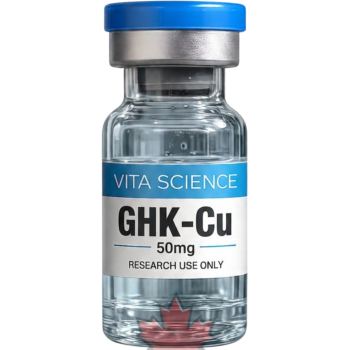
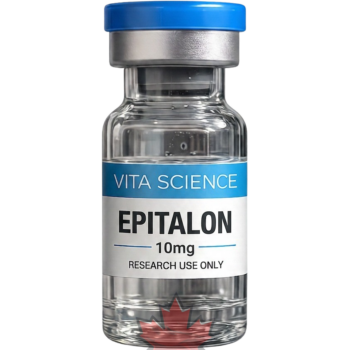
NMN and nicotinamide riboside raise levels of a molecule called NAD+ that falls with age. Resveratrol, spermidine and fisetin target other ageing pathways. Each has striking results in animals and small, mostly short human studies with modest or no clinical benefits. Research peptides marketed for ageing, such as epitalon and GHK-Cu, are in a similar position: interesting laboratory findings, little high-quality human evidence, and no Health Canada approval for these uses.
What slows ageing more reliably
Muscle mass and strength fall from middle age onward, and low strength strongly predicts falls, frailty and early death. Lifting weights, getting enough protein and adding creatine is a well-supported combination. Regular cardio improves heart health and VO2 max, one of the most powerful predictors of longevity.
Hormones and ageing
Testosterone and growth hormone fall with age, which has led to their promotion as anti-ageing treatments. In men with genuinely low testosterone, treatment can improve symptoms. Growth hormone in healthy older adults increased lean mass in trials but caused fluid retention, joint pain and higher blood sugar without improving function. Read more in testosterone and growth hormone.
Protein needs rise with age
Older muscle responds less to protein, a change called anabolic resistance. Research suggests adults over 60 benefit from about 1.0 to 1.2 g of protein per kg of body weight a day, more than the basic recommendation, spread over meals with 25 to 40 g each. A practical start is adding a protein source to breakfast, the meal where most people eat the least.
Buying sensibly
- Check for an NPN on the label.
- Prefer single-ingredient products at stated doses over proprietary blends.
- Tell your pharmacist what you take; supplements interact with medicines.
- Spend first on food, a gym membership and sleep; then on the few supplements with evidence.
Products in this guide
Each product page carries the chemistry, label strength, risks and references.
Questions
Should older adults take creatine?
Studies combining creatine with resistance training in older adults show greater gains in muscle and strength. It is one of the best-studied supplements and generally safe for healthy kidneys.
Do Canadians need vitamin D?
Many Canadians have low vitamin D in winter because of limited sunlight. Health Canada advises a daily supplement of 400 IU for adults over 50.
Does collagen reduce wrinkles?
Some trials show modest improvements in skin hydration and elasticity, often funded by manufacturers. Results are small.
Is NMN legal in Canada?
NMN and similar products are sold online, but their status and quality vary, and human evidence for longevity is lacking.
Sources
General information, not medical advice. Written for adults in Canada. Anabolic steroids are Schedule IV under the Controlled Drugs and Substances Act. Talk to a licensed healthcare provider and get bloodwork before using any compound.
Keep reading
 Health and safety · 2 minHormonal Imbalances and Weight Gain: Causes, Tests and Help in CanadaHormones can make weight harder to manage, but true hormone disorders explain only part of the picture. Knowing which tests matter helps you get answers faster.
 Health and safety · 2 minLiver Support Supplements: What the Evidence Really SaysLiver supplements are sold as insurance for oral steroids. The evidence that they prevent steroid liver injury is thin. Here is what each one does and what actually protects your liver.
 Health and safety · 2 minThyroid Conditions and Weight: What Canadians Should KnowAn underactive thyroid can add a few kilograms and leave you exhausted. Treating it helps, but thyroid hormone is not a fat-loss tool for everyone else.