
Pre- and Post-Workout Nutrition While Cutting Fat
When calories are tight, putting more of them around training helps you keep strength and muscle. It does not need to be complicated.
SteroidsCanada.org editorial teamUpdated · 2 min read
On this page
On a fat-loss diet, energy for training is limited. Placing your meals sensibly around workouts can make sessions feel stronger and help you hold on to muscle. It is a fine-tuning step: get daily calories and protein right first, then use timing to squeeze out a bit more.
Before training
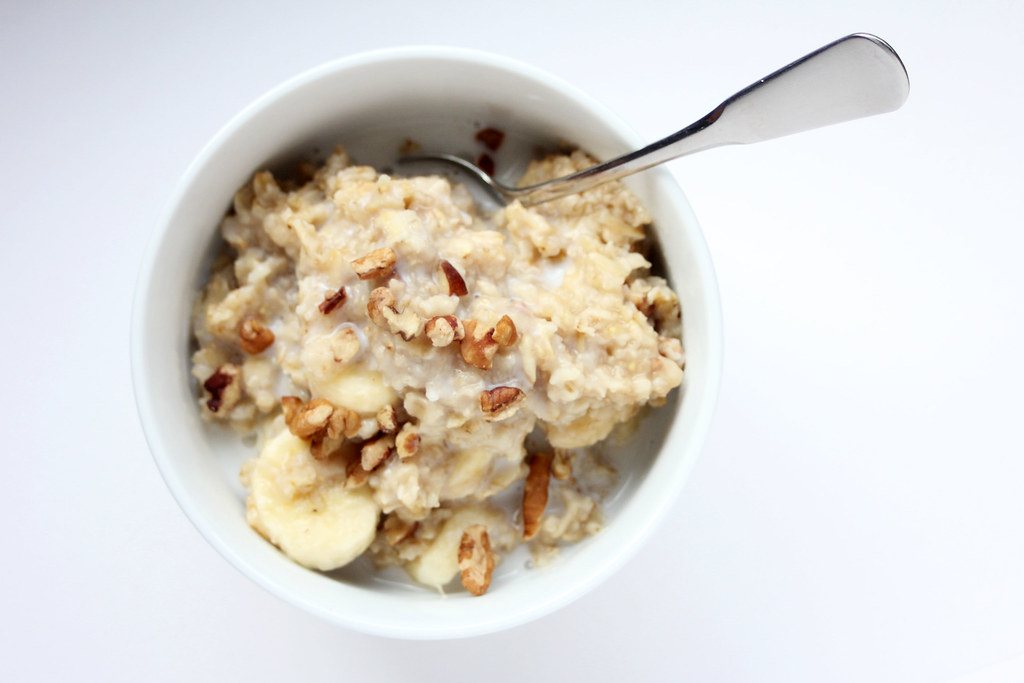
Aim for a meal with protein, some carbohydrate and little fat 1 to 3 hours before training. Protein starts the muscle-building process early; carbohydrate fuels hard sets.
| Time before training | Example | About |
|---|---|---|
| 2 to 3 hours | Chicken, rice and vegetables | 35 g protein, 450 kcal |
| 1 to 2 hours | Greek yogurt with oats and berries | 25 g protein, 300 kcal |
| 30 to 60 minutes | Banana and a protein shake | 25 g protein, 230 kcal |
After training
Within a few hours after lifting, eat 30 to 50 g of protein plus carbohydrate. The famous 30-minute window is overstated; if you ate before training, there is no rush. If you trained fasted, eat sooner.
- Salmon, potatoes and salad
- Turkey wrap with vegetables and a piece of fruit
- Tofu stir-fry with rice
- Eggs and egg whites with toast and fruit
Fitting it into a deficit
Place a larger share of your daily carbohydrate in the meals before and after training, and keep other meals higher in vegetables and protein. For example, someone eating 2,000 calories with 160 g of carbs might put 100 g of those carbs in the two meals around training.
Set your daily targets first with the macro calculator, then arrange them around your training time.
Caffeine
Caffeine is one of the few supplements with strong evidence: about 3 to 6 mg per kg of body weight 30 to 60 minutes before training improves strength and endurance for many people. Coffee works as well as pre-workout powders. Keep it to the first half of the day to protect sleep, which matters more for fat loss than any supplement.
Fasted training
Training fasted does not burn more body fat over time when daily calories are matched. Some people feel lighter and prefer it; others feel weak. If lifting fasted, a small protein dose beforehand reduces muscle breakdown with few calories.
Hydration and electrolytes
- Drink water through the day; pale yellow urine is a good guide.
- Long or sweaty sessions may need sodium; salty meals usually cover it.
- Low-carb diets lose water and sodium quickly; add salt to food if you feel flat or dizzy.
Sample timing for morning and evening lifters
Training at 7 am
- 6 am: banana and protein shake
- 8 am: eggs, toast, fruit
- Remaining meals: protein and vegetables, moderate carbs
Training at 6 pm
- Lunch: protein, rice or potatoes, vegetables
- 4 pm: yogurt and fruit
- 7:30 pm: protein-rich dinner with carbs
Common mistakes on a cut
For more on keeping muscle during a diet, read how to keep muscle while losing weight.
Questions
What if I train late at night?
Eat your main meal two to three hours before training and a lighter protein-rich snack afterwards, such as Greek yogurt or a shake, so digestion does not disturb sleep.
Is fasted cardio better for fat loss?
Studies matching calories find similar fat loss whether cardio is done fasted or fed. Choose what you prefer and perform better with.
Should I cut carbs completely when cutting?
No. Keeping some carbs around training supports performance and helps preserve muscle. Reduce carbs elsewhere in the day if needed.
Is caffeine useful before training?
Yes, 3 to 6 mg per kg of body weight improves performance for many people. Avoid it late in the day if it disturbs sleep.
Do I need a protein shake after training?
No. Any meal with enough protein works; a shake is just convenient.
Sources
General information, not medical advice. Written for adults in Canada. Anabolic steroids are Schedule IV under the Controlled Drugs and Substances Act. Talk to a licensed healthcare provider and get bloodwork before using any compound.
Keep reading
 Training and nutrition · 2 minCutting Phases: How to Lose Fat Without Losing MuscleA well-run cut takes 8 to 16 weeks, keeps strength, and ends with a plan for what comes after. A badly run one ends in a rebound.
 Training and nutrition · 2 minBreathing and Bracing for Heavy Lifts: The Valsalva Method ExplainedHow you breathe under a heavy bar changes how much you lift and how safe your spine feels. Bracing is a skill you can practise.
 Training and nutrition · 2 minNutrition for Muscle Growth: Protein, Carbs, Fat and TimingMuscle is built from training, protein and enough energy. Timing and supplements matter far less than getting those three right most days.