
Nutrition for Muscle Growth: Protein, Carbs, Fat and Timing
Muscle is built from training, protein and enough energy. Timing and supplements matter far less than getting those three right most days.
SteroidsCanada.org editorial teamUpdated · 2 min read
On this page
Training gives your muscles a reason to grow. Nutrition supplies the material and energy to do it. The research on muscle-building nutrition has become fairly clear, and most of it comes down to a handful of habits rather than precise timing or expensive products.
Calories: a modest surplus
Building muscle costs energy. Eating slightly more than you burn, about 250 to 500 calories a day, supports growth while limiting fat gain. Aim to gain roughly 0.25 to 0.5 percent of body weight a week; faster than that is mostly fat. Beginners and people returning after a break can build muscle even at maintenance.
Protein: the building block
A large meta-analysis found that protein intakes beyond about 1.6 g per kg of body weight a day added little extra muscle on average, with some people benefiting up to 2.2 g. Spreading protein over three to five meals keeps muscle protein synthesis elevated through the day. Good sources include chicken, fish, eggs, Greek yogurt, cottage cheese, tofu, lentils and protein powder.
Carbohydrates: fuel for training
Hard lifting runs largely on stored glycogen. Carbohydrates top it up, help you train with more volume, and support recovery. Most lifters do well with 3 to 6 g per kg of body weight a day, more if training volume is high. Choose mainly whole grains, potatoes, fruit, oats and legumes, with faster carbs around training if you like.
Fat: hormones and health
Dietary fat supports hormone production and absorption of fat-soluble vitamins. About 20 to 35 percent of calories from fat suits most people. Very low-fat diets over long periods can lower testosterone modestly. Favour olive and canola oil, nuts, seeds, avocado and fatty fish.
Timing that matters (and what does not)
- Matters: total daily calories and protein, and spreading protein through the day.
- Helps: a meal with protein and carbs within a few hours before and after training.
- Helps a little: a protein-rich snack before bed.
- Overstated: the 30-minute post-workout window.
Supplements worth considering
| Supplement | Evidence |
|---|---|
| Creatine monohydrate, 3 to 5 g a day | Strong: more strength and muscle with training |
| Protein powder | A convenient way to reach protein targets |
| Caffeine before training | Moderate: improves performance for many |
| Vitamin D in winter | Useful if you are low, common in Canada |
| BCAAs | Little benefit if protein intake is adequate |
A simple day of eating
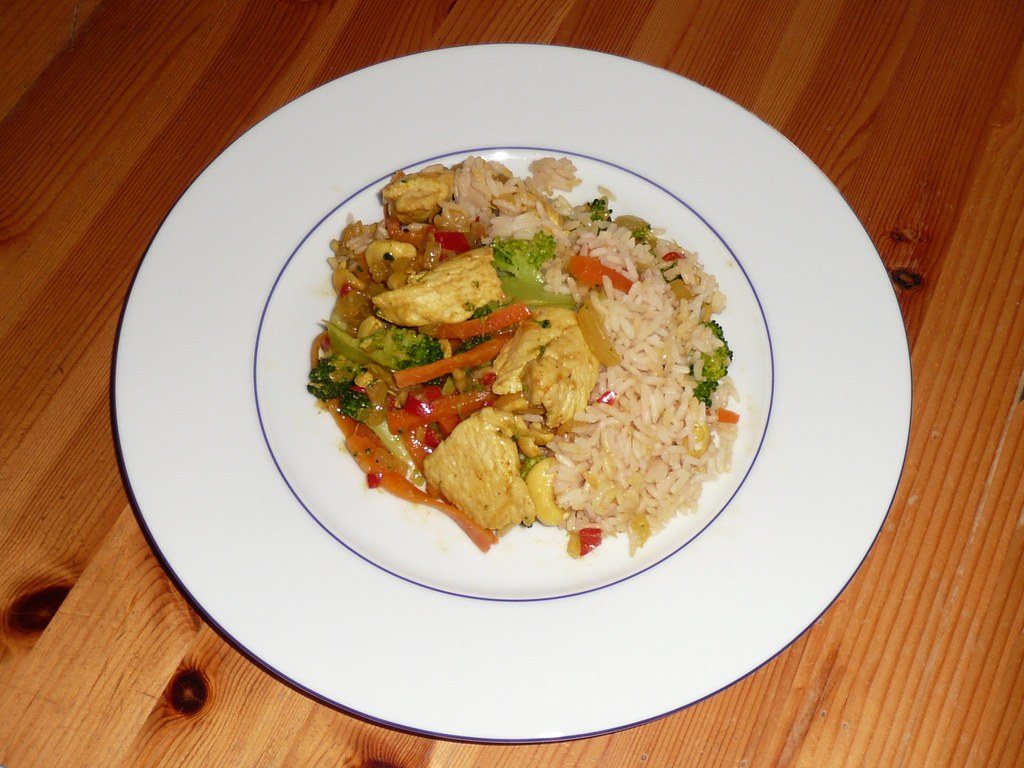
For an 80 kg lifter eating about 3,000 calories: Greek yogurt with oats and berries at breakfast; a chicken, rice and vegetable lunch; a protein shake and banana before training; salmon, potatoes and salad after; cottage cheese before bed. That covers about 170 g of protein without any special timing tricks. Work out your own numbers with the macro calculator.
Common mistakes
- Undereating and calling it a bulk
- Gaining weight too fast and spending months cutting it off
- Relying on shakes instead of meals
- Skimping on sleep, which undermines everything above
Questions
Do I need protein right after training?
A protein meal within a few hours of training is sensible, but the old 30-minute window is overstated. Total daily protein matters more.
Are carbs bad for building muscle?
No. Carbohydrate fuels hard training and helps recovery. Lifters usually do best with a good share of calories from carbs.
Can I build muscle without supplements?
Yes. Food covers everything. Protein powder is a convenience, and creatine is a useful extra.
How fast can I gain muscle?
Beginners may gain 0.5 to 1 kg of muscle a month at first; experienced lifters much less. Faster scale gains are mostly fat and water.
Sources
General information, not medical advice. Written for adults in Canada. Anabolic steroids are Schedule IV under the Controlled Drugs and Substances Act. Talk to a licensed healthcare provider and get bloodwork before using any compound.
Keep reading
 Training and nutrition · 2 minCutting Phases: How to Lose Fat Without Losing MuscleA well-run cut takes 8 to 16 weeks, keeps strength, and ends with a plan for what comes after. A badly run one ends in a rebound.
 Training and nutrition · 2 minLow-Impact Exercise for Beginners With More Weight to LoseYou do not need to run or jump to get fitter and lose weight. Low-impact movement builds the base, protects joints and is easier to keep doing.
 Training and nutrition · 2 minA Bodybuilding Meal Plan for Muscle Gain (Canadian Groceries)A full day of eating built from ordinary Canadian groceries, with the numbers shown, plus how to scale it up or down for your own targets.