
Low-Impact Exercise for Beginners With More Weight to Lose
You do not need to run or jump to get fitter and lose weight. Low-impact movement builds the base, protects joints and is easier to keep doing.
SteroidsCanada.org editorial teamUpdated · 2 min read

On this page
Starting to exercise with a lot of weight to lose can feel daunting. Running hurts, classes move too fast, and gyms can feel intimidating. Low-impact exercise solves most of these problems: it is gentle on joints, easy to start, and very effective at building fitness and supporting weight loss.
Why low impact works
High-impact activities like running put forces of two to three times body weight through the knees with each step. Low-impact options keep one foot on the ground or take body weight off entirely, reducing stress on knees, hips and back while still working the heart and muscles.
Best options
| Activity | Why it helps | Getting started |
|---|---|---|
| Walking | Free, simple, builds daily calorie burn | 10 minutes after meals |
| Stationary or outdoor cycling | No impact, adjustable resistance | 15 minutes at an easy pace |
| Swimming and pool walking | Water supports body weight | Aquafit classes at community centres |
| Elliptical | Running-like motion without the pounding | 10 to 15 minutes |
| Chair exercises | Useful with mobility limits | Seated marching, arm raises |
Do not skip strength training
Stronger muscles support joints, make daily tasks easier and help keep muscle while losing fat. Good starting moves:
- Sit-to-stand from a chair (a squat you can control)
- Wall or counter push-ups
- Seated or band rows
- Glute bridges on the floor or bed
- Step-ups on a low step
Two sessions a week of one to three sets of 8 to 15 reps is enough to start.
A four-week starter plan
- Week 1: walk or cycle 10 minutes a day; strength moves twice, one set each.
- Week 2: 15 minutes a day; two sets of strength moves.
- Week 3: 20 minutes a day, one longer session on the weekend; add light weights if comfortable.
- Week 4: 25 to 30 minutes most days; three sets of strength moves twice a week.
If a week feels hard, repeat it. Building the habit matters more than rushing.
Pairing with nutrition
Exercise improves health at any weight, but most weight loss comes from eating a little less. Set a moderate calorie target with the macro calculator, keep protein at each meal, and use our guide to counting macros.
Safety and comfort
- Wear supportive shoes and moisture-wicking clothing to prevent chafing.
- Choose flat, even routes at first.
- Expect some muscle soreness; sharp joint pain is a signal to stop and modify.
- A physiotherapist can design a plan around joint problems; in most provinces you can book one directly.
Making the gym less intimidating
Quiet times, usually mid-morning and early afternoon, make gyms less crowded. Many Canadian gyms and community centres offer free orientations, and a few sessions with a qualified trainer can build confidence quickly. Machines are a good starting point because they guide the movement. Remember that most people in a gym are focused on their own workout.
Progress beyond the scale
Better sleep, less breathlessness on stairs, more energy and looser clothes often come before big changes on the scale. Count those wins. They are what keep people going long enough to see the rest.
Questions
How much exercise do I need to lose weight?
Diet drives most weight loss. For health, Canadian guidelines suggest 150 minutes of moderate activity a week plus strength training twice a week; more helps keep weight off.
My knees hurt when I walk. What can I do?
Try cycling, pool walking or swimming, shorter walks on softer surfaces, supportive shoes, and leg strengthening. Persistent pain should be checked by a physiotherapist.
Is it safe to lift weights if I am very overweight?
Yes. Start with machines, bodyweight or light dumbbells, learn good form, and progress slowly.
How do I stay motivated?
Track small wins like minutes walked, stairs climbed without stopping or better sleep. Exercising with a friend or class helps.
Sources
General information, not medical advice. Written for adults in Canada. Anabolic steroids are Schedule IV under the Controlled Drugs and Substances Act. Talk to a licensed healthcare provider and get bloodwork before using any compound.
Keep reading
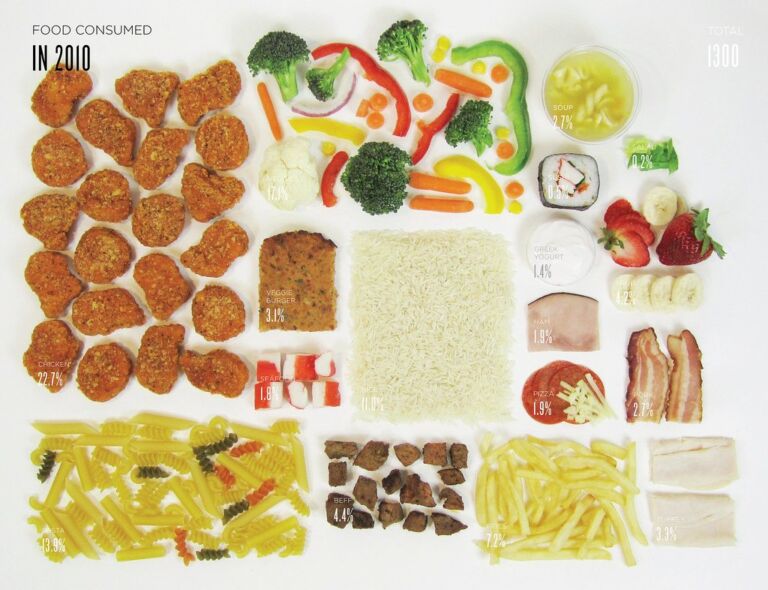 Training and nutrition · 4 minCounting Macros for Weight Loss: A Practical Guide for CanadiansSet your calories and protein, let carbs and fat fill the rest, and adjust from two-week averages. A plain method that works with Canadian groceries and labels.
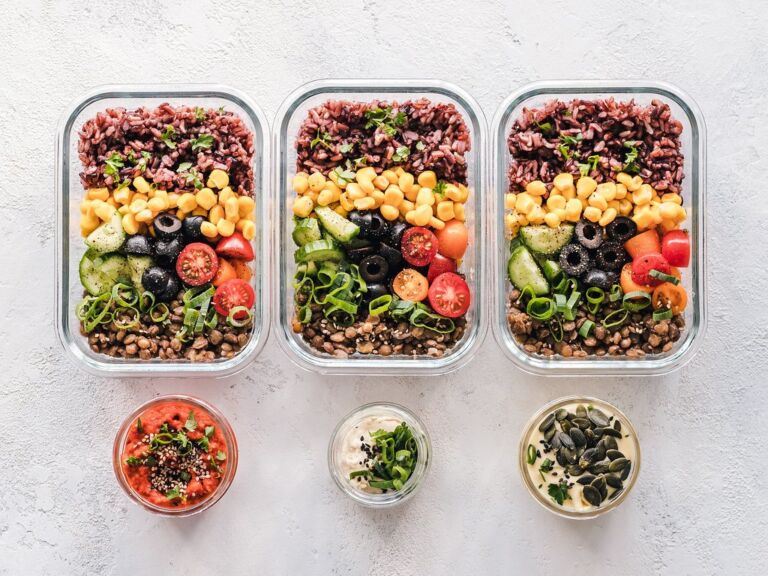 Training and nutrition · 2 minA Bodybuilding Meal Plan for Muscle Gain (Canadian Groceries)A full day of eating built from ordinary Canadian groceries, with the numbers shown, plus how to scale it up or down for your own targets.
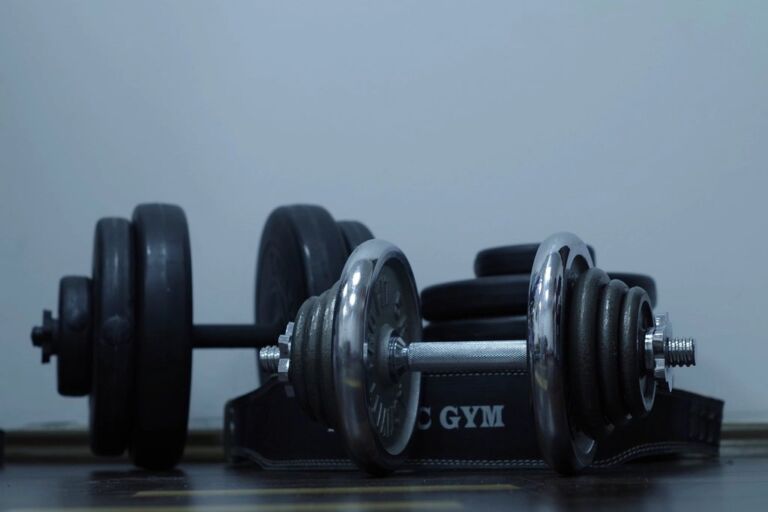 Training and nutrition · 2 minHow to Keep Muscle While Losing WeightUp to a quarter or more of weight lost on a crash diet can be muscle. With the right rate, protein and training, most of what you lose can be fat.