
CrossFit for Fat Loss: What to Expect and How to Start Safely
CrossFit's biggest fat-loss advantage is not the workouts themselves, it is the community that keeps people showing up.
SteroidsCanada.org editorial teamUpdated · 2 min read
On this page
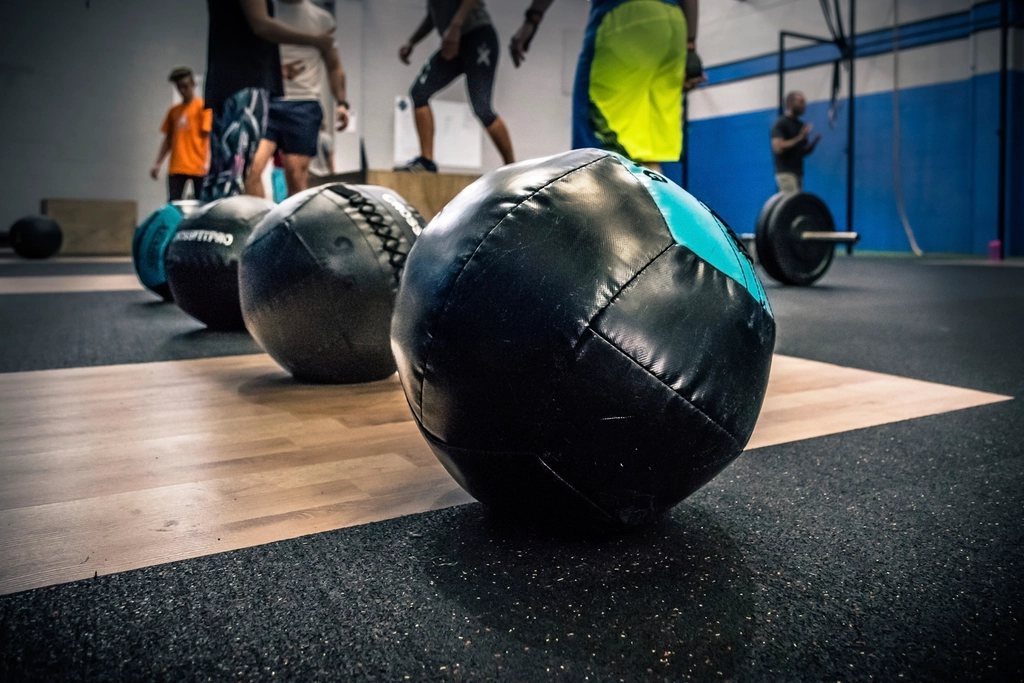
CrossFit mixes weightlifting, gymnastics and conditioning into short, intense group workouts. Many people credit it with big changes in body composition. The workouts help, but the community, structure and coaching that keep people coming back may matter even more.
Why it can work for fat loss
- Calorie burn: a typical class burns roughly 300 to 600 calories, depending on body size and intensity.
- Muscle: the strength component helps preserve muscle while dieting.
- Consistency: booked classes, coaches and friends make skipping harder.
- Fitness: conditioning improves quickly, which makes daily activity easier.
What it does not do
No training program out-works a poor diet. A hard workout is easy to undo with a post-class treat. Fat loss still comes from a calorie deficit; many boxes run nutrition challenges for that reason. Set your targets with the macro calculator.
Getting started safely
- Take the on-ramp or fundamentals course to learn the lifts and gymnastics basics.
- Scale everything. Use lighter weights, fewer reps or easier versions; it is expected.
- Form before speed. Slow down when technique breaks, even if the clock is running.
- Start with three classes a week and add more as you recover well.
- Watch high-rep Olympic lifts and kipping when tired; these are common injury points.
Injury risk in perspective
Reviews find CrossFit injury rates broadly similar to weightlifting, powerlifting and other recreational sports, with shoulders, lower back and knees most affected. Fatigue, ego and poor coaching raise the risk. A good coach will tell you to stop or scale; listen.
Choosing a box in Canada
Good signs
- Structured intro program
- Coaches correct form actively
- Classes scaled to every level
- Clean, well-maintained equipment
Warning signs
- No beginner pathway
- “No pain, no gain” culture
- Huge classes with one coach
- Pushing supplements hard
Try a free class or a drop-in at two or three gyms before signing up.
Recovery matters
Intense daily training without enough sleep or food leads to plateaus and injuries. Plan at least two rest days a week, sleep seven to nine hours, and eat enough protein, about 1.6 to 2.2 g per kg of body weight.
Nutrition alongside CrossFit
CrossFit’s mix of heavy lifting and intense conditioning needs fuel. Eat a meal with protein and carbohydrate a couple of hours before class, have 30 to 40 g of protein afterwards, and aim for 1.6 to 2.2 g per kg of body weight daily. A modest deficit of 300 to 500 calories supports fat loss without wrecking performance; very low-carb diets often make the conditioning workouts miserable. Hydrate well, especially in summer sessions or warm boxes.
Tracking progress
Log your benchmark workouts and lifts; many boxes repeat them every few months. Improving times and loads while your waist shrinks is the clearest sign that both training and nutrition are working.
Real-world expectations
Most people who combine three or four classes a week with a moderate calorie deficit lose fat steadily, gain strength and improve fitness over a few months. The biggest variable is not the program; it is whether you keep showing up. If CrossFit is what makes you show up, it is a good choice.
Questions
What should I wear to my first CrossFit class?
Comfortable training clothes and flat, stable shoes. Bring water, and tell the coach about any injuries before class starts.
Is CrossFit dangerous?
Injury rates in studies are similar to other forms of recreational training such as weightlifting. Most injuries involve the shoulder and lower back and relate to fatigue and poor form.
Can beginners do CrossFit?
Yes, through scaled workouts. Good boxes run introductory classes and adjust every workout to your level.
How many classes a week?
Three a week is a good start. Many members do four or five once they adapt, with rest days in between.
What does CrossFit cost in Canada?
Memberships vary by city, commonly ranging from about 150 to 250 dollars a month for unlimited classes. Drop-in and punch-card options are common.
Sources
General information, not medical advice. Written for adults in Canada. Anabolic steroids are Schedule IV under the Controlled Drugs and Substances Act. Talk to a licensed healthcare provider and get bloodwork before using any compound.
Keep reading
 Training and nutrition · 2 minPre- and Post-Workout Nutrition While Cutting FatWhen calories are tight, putting more of them around training helps you keep strength and muscle. It does not need to be complicated.
 Training and nutrition · 2 minIntermittent Fasting for Lifters: Methods, Muscle and What WorksFasting works for fat loss mainly because it makes eating less easier. For lifters, the details that protect muscle are protein, training timing and not fasting too hard.
 Training and nutrition · 2 minNutrition for Muscle Growth: Protein, Carbs, Fat and TimingMuscle is built from training, protein and enough energy. Timing and supplements matter far less than getting those three right most days.