Steroids and Injury Recovery: What the Evidence Actually Shows
Steroids are often credited with faster recovery. Some of that is real, some is a feeling of less soreness, and some of it sets up the next injury.
SteroidsCanada.org editorial teamUpdated · 3 min read
On this page
Anabolic steroids have a reputation for helping athletes recover faster, both between workouts and after injuries. There is a medical basis for some of this. There is also a well-documented pattern of tendon injuries in people who use them. Understanding both sides helps you make better decisions about recovery.
Where the medical evidence is strong
Anabolic steroids have been used for decades to rebuild muscle in people who have lost a lot of it. Oxandrolone was a standard treatment in burns units, where trials found it helped patients regain lean mass and shortened recovery. Nandrolone was used in dialysis patients and in HIV-related wasting. In these settings the body is breaking down muscle faster than it can rebuild, and androgens tip the balance back.
Testosterone also helps older men with low testosterone recover strength after surgery in some studies, and research into nandrolone after rotator cuff surgery has looked at whether it reduces the muscle wasting and fatty change that follow large tears.
What happens in healthy athletes
In people who already have normal hormone levels, the picture is murkier. Androgens increase muscle protein synthesis, so repair of damaged muscle may be faster. Many users also report less soreness after hard sessions, which lets them train more often. But feeling recovered and being recovered are not identical, and very little good research looks at injury healing in healthy athletes using steroids.
The tendon problem
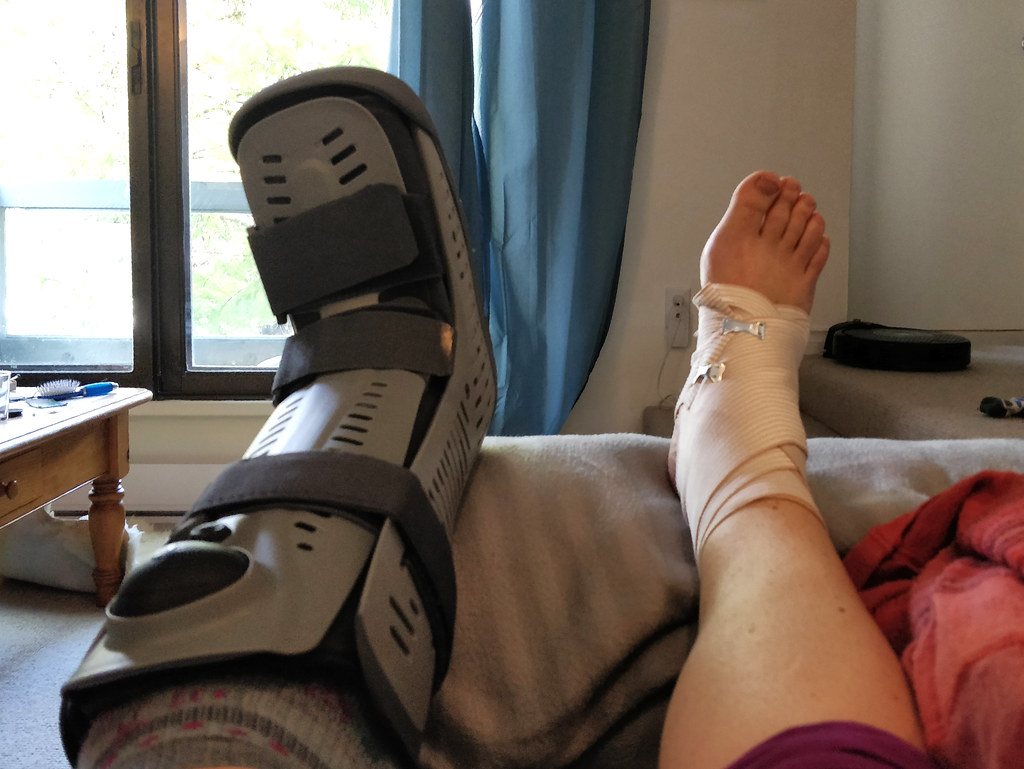
Muscle responds to androgens within weeks. Tendons, which connect muscle to bone, have a poor blood supply and adapt over months. When muscle strength rises quickly and tendon strength does not keep up, the tendon becomes the weak link. Case series describe ruptures of the pectoral, biceps, triceps, quadriceps and Achilles tendons in steroid users, often during heavy lifts. Some animal research suggests androgens may also make tendon collagen stiffer and less able to absorb load.
Anabolic steroids versus corticosteroids
Anabolic steroids
- Related to testosterone
- Build muscle and some connective tissue
- Used for wasting and anemia
Corticosteroids
- Related to cortisol
- Reduce inflammation and pain
- Repeated injections can weaken tendons
A cortisone shot for a sore shoulder and an anabolic steroid are entirely different medicines. Combining frequent cortisone injections with heavy training while using anabolic steroids adds up to more tendon risk, not less.
What reliably helps recovery
- Sleep: seven to nine hours; most muscle repair and growth hormone release happen during deep sleep.
- Protein: about 1.6 g per kg of body weight a day, spread across meals.
- Enough energy: healing tissue needs calories; a big deficit slows repair.
- Progressive rehabilitation: gradually loading an injured tissue is what drives it to remodel and strengthen.
- Patience with tendons: build load over months, not weeks.
Research peptides
Compounds such as BPC-157 and TB-500 are promoted for tissue repair. Most of the evidence comes from animal and cell studies; good human trials are lacking, and Health Canada has not approved them for human use. If you read about them, treat claims cautiously. Our pages for BPC-157 and TB-500 set out what the research does and does not show.
When to see a professional
Pain that persists more than a couple of weeks, swelling that does not settle, loss of strength or range of motion, or any injury with a pop or visible deformity should be assessed by a doctor or physiotherapist. In most Canadian provinces you can book a physiotherapist directly without a referral.
Products in this guide
Each product page carries the chemistry, label strength, risks and references.
Questions
Is cortisone the same as anabolic steroids?
No. Corticosteroids such as cortisone and prednisone reduce inflammation and can weaken tissue. Anabolic steroids are related to testosterone and build tissue.
Do steroids help torn muscles heal?
Animal and some human studies suggest faster recovery of muscle strength after injury, but evidence in healthy athletes is limited, and proper rehabilitation matters far more.
Why do bodybuilders tear pecs and biceps tendons?
Rapid gains in muscle strength can outpace tendon adaptation, and heavy loading on a tendon that has not caught up can rupture it.
What helps recovery most reliably?
Sleep, enough protein and calories, progressive rehabilitation and patience. These are free and well studied.
Sources
General information, not medical advice. Written for adults in Canada. Anabolic steroids are Schedule IV under the Controlled Drugs and Substances Act. Talk to a licensed healthcare provider and get bloodwork before using any compound.
Keep reading
 Health and safety · 2 minUsing Wearables to Track Recovery: Heart Rate, HRV and SleepA smartwatch cannot replace bloodwork, but it can spot trends early. Here is how to read resting heart rate, HRV and sleep data without obsessing.
 Health and safety · 2 minHow to Dispose of Used Needles and Syringes in CanadaUsed needles in household garbage injure sanitation workers every year. Proper disposal is free or cheap almost everywhere in Canada.
 Health and safety · 2 minThyroid Conditions and Weight: What Canadians Should KnowAn underactive thyroid can add a few kilograms and leave you exhausted. Treating it helps, but thyroid hormone is not a fat-loss tool for everyone else.