
Testosterone Cypionate: Canada’s Most Prescribed Testosterone
The testosterone most Canadian pharmacies dispense: what the cypionate ester changes, how prescribers use it, what it does to your own hormones and which blood tests keep it safe.
SteroidsCanada.org editorial teamUpdated · 3 min read
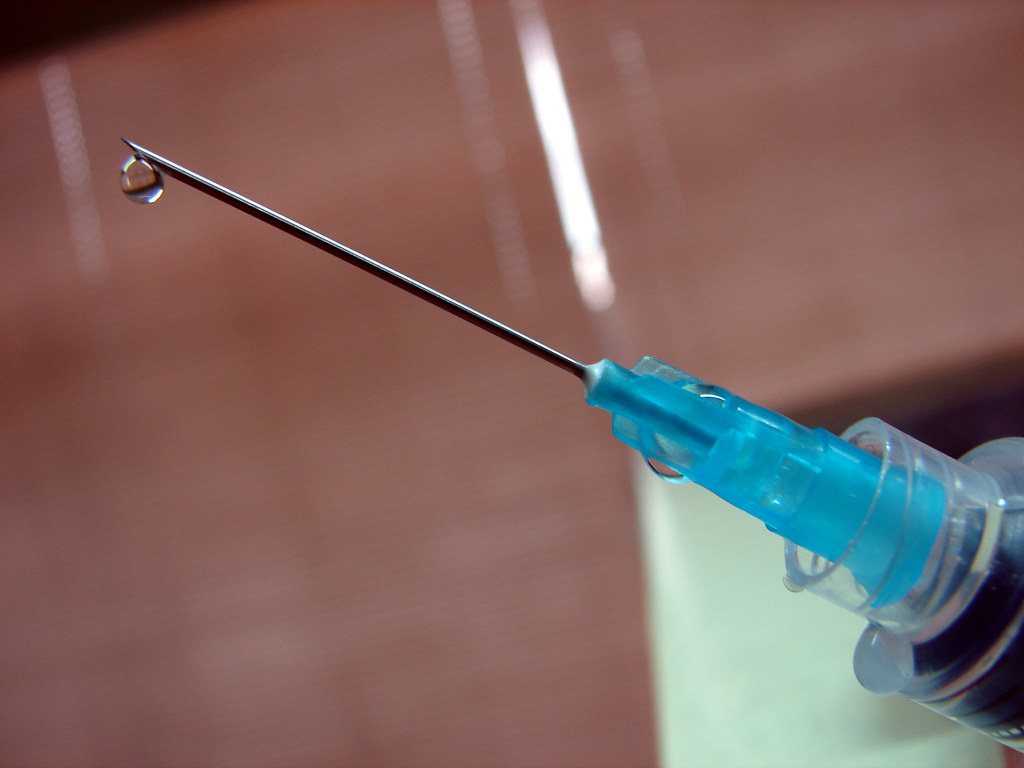
On this page
Walk into a Canadian pharmacy with a testosterone prescription and the vial you leave with is most likely testosterone cypionate. It is the workhorse of testosterone therapy in North America, and it is also one of the most widely used injectables outside medicine. This guide explains what makes it different from other forms of testosterone, how prescribers use it, and what to monitor if it is part of your life.
What “cypionate” means
Testosterone on its own clears from the body within hours. Attaching an ester, a short fatty-acid chain, makes it dissolve in oil instead of water. Injected into muscle, it forms a small oily depot that releases slowly. Enzymes in the blood then cut the ester off, and what remains is the same testosterone your body makes.
Cypionate is an eight-carbon ester with a ring structure (cyclopentylpropionate). It is slightly heavier and slightly slower than enanthate’s seven-carbon chain.
That last number matters when reading labels. A vial marked 250 mg/ml of testosterone cypionate holds about 175 mg of testosterone in each millilitre.
Why Canadian doctors reach for it
Depo-Testosterone, a cypionate product in cottonseed oil, has been sold in Canada for decades. Pharmacies keep it in stock and generic versions followed, so cypionate became the default. Prescribers treat it as interchangeable with enanthate: same weekly amount, same monitoring, same goals.
The 2021 Canadian Urological Association guideline and the Endocrine Society guideline both describe testosterone therapy for men with symptoms of low testosterone that is confirmed on at least two early-morning blood tests. Labelled amounts for cypionate run from 50 to 400 mg every two to four weeks. Many clinicians now split that into weekly or twice-weekly injections, often around 75 to 100 mg a week, aiming for levels in the middle of the normal range.
What happens in your body
Once free, testosterone binds androgen receptors in muscle, bone, skin, hair follicles and the brain. It increases muscle protein building, stimulates red blood cell production and supports libido and mood. Two conversions shape the side effects: aromatase turns some testosterone into estradiol, and 5-alpha reductase turns some into DHT.
The brain notices the outside supply and cuts the signals (LH and FSH) that tell the testes to make testosterone and sperm. Within a few weeks, natural production is close to zero. That is expected, not a malfunction, but it has consequences for fertility and for what happens when you stop.
Side effects and what drives them
| Effect | Cause | How it shows up |
|---|---|---|
| Rising hematocrit | More red blood cells | Only on a blood test until it is high; above about 54% raises clot and stroke risk |
| Lower sperm count | LH and FSH suppressed | Infertility that can last months after stopping |
| Higher blood pressure | Fluid retention, vessel changes | Home readings drifting above 130/80 |
| Lower HDL cholesterol | Liver lipid changes | Lipid panel only |
| Breast tenderness | Excess estradiol | Sore or puffy nipples |
| Acne, scalp hair loss | DHT activity | Faster thinning if you are genetically prone |
Monitoring that keeps it safe
Guidelines suggest checking testosterone and hematocrit before starting, at three to six months and then yearly. A useful panel also includes estradiol, a lipid panel, liver enzymes, kidney function and, for men over 40, PSA. Measure testosterone midway between injections for a fair picture. A home blood-pressure cuff is the cheapest safety tool there is. The protocol builder lays these checkpoints out on a timeline you can take to your doctor.
Cypionate compared with its neighbours
Cypionate
- Half-life about 8 days
- Weekly or every two weeks
- Most dispensed in Canada
Enanthate
- Half-life about 4 to 5 days
- Clinically interchangeable
- Most common worldwide
Testosterone blends
- Mix short and long esters
- Early peak, long tail
- Harder to read on bloodwork
Injection basics
Cypionate is an oil, so it is injected into muscle with a 3 ml syringe and a 23 to 25 gauge needle. The outer thigh and the upper outer buttock are the usual sites. Some people use a smaller insulin-style needle into the shoulder or thigh at low volumes, which doctors increasingly accept. Use a sterile needle every time, clean the stopper and skin with alcohol and rotate sites. Spreading redness, heat or fever after an injection needs medical attention.
Canadian law in brief
Testosterone and its esters are in Schedule IV of the Controlled Drugs and Substances Act. Simple possession for personal use is not an offence under that Act; selling, importing and exporting without authorisation are. It is also a prescription drug, so the safest route is always a doctor who can prescribe and monitor it.
Our product pages for Zionova Testosterone Cypionate and Genetix Pharma Testosterone Cypionate list the label strength and include a calculator that converts milligrams into millilitres.
Products in this guide
Each product page carries the chemistry, label strength, risks and references.


Questions
Why is cypionate more common in Canada than enanthate?
Mostly history and supply. Depo-Testosterone, the best-known cypionate brand, has been on the Canadian market for decades, so pharmacies stock it and doctors know it.
Does cypionate hurt more than enanthate?
Injection discomfort depends far more on the carrier oil, the concentration and the solvents in the vial than on the ester. Many people notice no difference.
Can I switch between cypionate and enanthate?
Doctors do it routinely at the same weekly amount, because the esters release testosterone at very similar rates. Bloodwork after the switch confirms levels are where they should be.
How long does cypionate stay detectable?
Sport testing can detect outside testosterone for weeks after the last injection, and longer with isotope methods. It is banned at all times under the World Anti-Doping Code.
Sources
General information, not medical advice. Written for adults in Canada. Anabolic steroids are Schedule IV under the Controlled Drugs and Substances Act. Talk to a licensed healthcare provider and get bloodwork before using any compound.
Keep reading
 Compound guides · 3 minMasteron (Drostanolone): Enanthate and Propionate ExplainedDrostanolone began as a breast cancer treatment. It is now known for a hard, dry look in lean people. Here is what it does and what it costs your scalp and cholesterol.
 Compound guides · 3 minTestosterone and Growth Hormone: How They Differ and InteractTestosterone and growth hormone are often mentioned together. They act through different systems, carry different risks and have very different evidence behind them.
 Compound guides · 3 minPrimobolan (Methenolone Enanthate): What It Is and Isn’tPrimobolan has a reputation as the gentle steroid. Some of that is earned and some is marketing. Here is what methenolone enanthate actually does and where the risks still sit.