Anadrol (Oxymetholone): Medical Uses, Effects and Risks
Oxymetholone is still an approved anemia drug in some countries. It is also one of the hardest oral steroids on the liver and blood pressure.
SteroidsCanada.org editorial teamUpdated · 3 min read
On this page
Oxymetholone, sold as Anadrol-50, was introduced in the early 1960s to treat anemias caused by deficient red blood cell production, such as aplastic anemia. It is still approved for that purpose in the United States, though newer treatments are usually preferred. In gyms it is known for one thing: rapid size and strength.
What oxymetholone is
Oxymetholone is a DHT derivative with the 17-alpha methyl group that makes it active as a tablet. It stimulates red blood cell production strongly, which is the basis of its medical use, and promotes protein synthesis and glycogen storage in muscle.
The anemia label listed 1 to 5 mg per kg of body weight daily, usually starting at the low end, for courses lasting months under close supervision with regular liver tests.
Why it adds weight so quickly
Within the first two weeks, scale weight often climbs by several kilograms. A large part is water and glycogen stored in muscle, plus more red blood cells. Strength rises too. When it is stopped, a share of that weight leaves within weeks.
Risks
- Liver: raised enzymes are common. Long medical courses were linked to peliosis hepatis (blood-filled cysts) and liver tumours.
- Blood pressure: often rises noticeably; headaches and nosebleeds can follow.
- Thicker blood: more red cells raise clot risk.
- Cholesterol: HDL falls quickly.
- Estrogen-like effects: water retention and breast tissue growth despite no aromatisation.
- Appetite and stomach: nausea and reduced appetite in some people.
A short history
Oxymetholone was introduced by Syntex in the early 1960s. Before modern bone marrow transplants and erythropoietin, it was one of the few treatments that could raise red blood cell counts in aplastic anemia and myelofibrosis, and it kept some patients alive for years. In the 1990s it was studied in HIV-related wasting. Its use in strength sports grew from the same property doctors valued: rapid, large effects.
Who should not take it
- Anyone with liver disease, raised liver enzymes or heavy alcohol use
- People with high blood pressure, heart disease or a history of stroke
- Anyone with a high red blood cell count or clotting problems
- Men with prostate cancer; women; men trying to conceive; anyone under 21
Interactions
Oxymetholone is known to increase the effect of warfarin and other blood thinners, sometimes markedly, so bleeding risk rises. It can lower blood sugar in people on diabetes medicines. Alcohol, acetaminophen in large amounts and other oral steroids add to the load on the liver.
What the medical courses taught
Patients treated with oxymetholone for months or years were monitored with regular liver tests, and the label carried warnings about peliosis hepatis (blood-filled cavities in the liver), liver tumours and changes in blood lipids. Those risks were accepted because the alternative was a life-threatening anemia. For a healthy person using it to gain size, the balance of risk and benefit is very different.
Myths and facts
| Myth | Fact |
|---|---|
| Anadrol gains are permanent | Much of the early weight is water and glycogen, which leaves within weeks of stopping. |
| No aromatisation means no estrogen side effects | Water retention and breast tissue growth are still reported. |
| Headaches are just a sign it is working | Persistent headaches often reflect blood pressure; check it and take it seriously. |
Bloodwork
Liver panel (ALT, AST, GGT, bilirubin), complete blood count, lipid panel and blood pressure before starting and within the first few weeks.
Legal status
Oxymetholone is a Schedule IV anabolic steroid. Personal possession is not an offence under the Controlled Drugs and Substances Act; selling, importing and exporting without authorisation are. It is banned in sport.
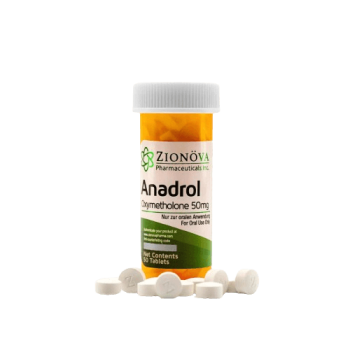
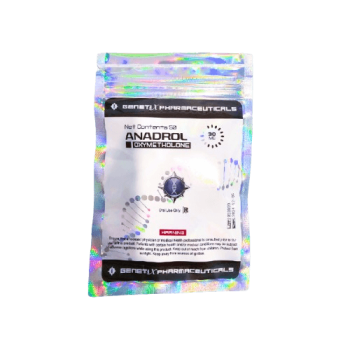
Product pages: Zionova Anadrol 50 and Genetix Pharma Anadrol. Comparing options? Read Anadrol vs Dianabol.
Products in this guide
Each product page carries the chemistry, label strength, risks and references.
Questions
Is Anadrol stronger than Dianabol?
Per milligram, oxymetholone is weaker, but tablets are usually 25 or 50 mg, so the amounts taken are larger. Both carry similar oral-steroid risks.
Why does Anadrol cause headaches and nosebleeds?
Mainly through blood pressure increases and thicker blood. Persistent headaches are a reason to check blood pressure and stop.
Does Anadrol convert to estrogen?
It does not aromatise, yet it causes estrogen-like effects such as water retention and breast tissue growth in some people. The reason is still debated.
Is Anadrol still prescribed?
Anadrol-50 remains approved in the United States for certain anemias, though it is rarely used. It is not marketed in Canada.
Sources
General information, not medical advice. Written for adults in Canada. Anabolic steroids are Schedule IV under the Controlled Drugs and Substances Act. Talk to a licensed healthcare provider and get bloodwork before using any compound.
Keep reading
 Compound guides · 3 minTestosterone Propionate: The Short Ester ExplainedPropionate was the first injectable testosterone ester used in medicine. It works the same way as enanthate but on a much faster clock, which changes how it is used and how it feels.
 Compound guides · 3 minWinstrol (Stanozolol): Tablets, Joints and CholesterolStanozolol is famous for the dry, hard look and infamous for what it does to cholesterol and joints. Here is the full picture.
 Compound guides · 3 minDianabol (Methandrostenolone): The Classic Oral, Honestly ExplainedDianabol has been around since 1958 and still has a cult reputation for fast size. That speed comes with a liver, blood pressure and water-retention bill.