Bulking vs Cutting: What Changes, and What Steroids Do and Don’t Do
No compound bulks or cuts on its own. Calories decide which way you go; compounds only change how much muscle you build or keep.
SteroidsCanada.org editorial teamUpdated · 3 min read
On this page
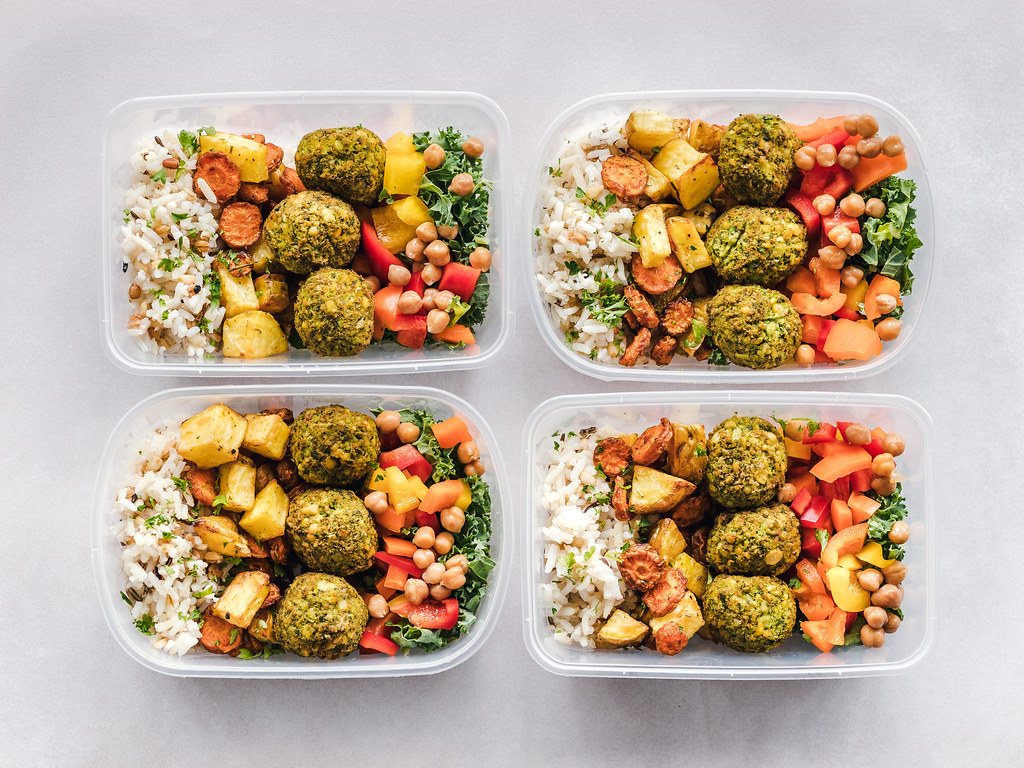
Bulking and cutting are the two basic phases of physique training. In a bulk you eat more than you burn to build muscle; in a cut you eat less to lose fat while trying to keep that muscle. Steroids are often sorted into bulking and cutting compounds, but the labels hide what is actually happening.
Calories set the direction
Whether you gain or lose weight depends on energy balance. No compound changes that rule. A “cutting” steroid taken while eating in a surplus will not make you lose fat, and a “bulking” steroid in a deficit will not make you gain much.
Bulking phase
- Surplus of about 250 to 500 kcal a day
- Gain 0.25 to 0.5% of body weight a week
- Progressive overload, lots of volume
- Some fat gain is expected
Cutting phase
- Deficit of about 300 to 600 kcal a day
- Lose 0.5 to 1% of body weight a week
- Keep lifting heavy to signal muscle to stay
- High protein, 1.8 to 2.2 g per kg
What “bulking” and “cutting” compounds really mean
Compounds described as bulking, such as testosterone, nandrolone, methandrostenolone and oxymetholone, tend to cause more water retention and glycogen storage, so the scale climbs and muscles look fuller. Compounds described as cutting, such as oxandrolone, stanozolol, drostanolone and trenbolone, cause little water retention and, in a lean person, a harder look.
The muscle-building effect itself comes from the androgen receptor in both cases. The difference is mostly water, estrogen conversion and appearance.
The risks do not change with the phase
- Natural testosterone shuts down in either phase.
- Blood pressure, hematocrit and cholesterol changes apply either way.
- Dieting hard while using strongly androgenic compounds can push HDL and blood pressure in the wrong direction at the same time, and low body fat with low estrogen can bring joint pain and low mood.
How muscle is gained and kept
Muscle grows when training provides a reason to adapt and your body has the protein and energy to build. In a surplus, both conditions are easy to meet. In a deficit, energy is scarce, so the body becomes more willing to break down muscle for fuel. Heavy training, high protein and a moderate rate of loss are what tell it to keep muscle instead. Androgens shift that balance toward keeping and building muscle, which is why they are associated with both phases.
The water question
Much of what makes a compound feel like a bulking drug is water: compounds that convert to estrogen, or that cause fluid retention by other means, add scale weight and a fuller look that leaves soon after stopping. Compounds associated with cutting cause little water retention, so the physique looks harder, but only if body fat is already low. Judging progress on the scale alone during either phase can mislead you.
Health checks for both phases
- Blood pressure, measured at home, at least weekly
- Lipid panel before starting and partway through
- Complete blood count for hematocrit
- Liver enzymes if any oral compound is involved
- Testosterone and LH after stopping to confirm recovery
Common mistakes
| Mistake | Better approach |
|---|---|
| Eating everything in sight on a bulk | A surplus of 250 to 500 calories, gaining 0.25 to 0.5% a week |
| Crash dieting on a cut | Losing 0.5 to 1% a week while keeping protein high and lifting heavy |
| Treating compounds as the plan | Training, protein, sleep and calories first; they decide most of the result |
| Skipping bloodwork because you feel fine | Blood pressure, lipids and hematocrit often change without symptoms |
Planning either phase
Set calories and protein first with the macro calculator, track weight weekly, and adjust from two-week averages. If you are considering compounds, the protocol builder starts with a health check and bloodwork plan before anything else.
Legal note
Anabolic steroids are Schedule IV in Canada. Possession for personal use is not an offence under the Controlled Drugs and Substances Act; selling, importing and exporting without authorisation are.
Products in this guide
Each product page carries the chemistry, label strength, risks and references.


Questions
Can you bulk and cut at the same time?
Beginners and people returning after a break can gain muscle while losing fat (recomposition). Experienced lifters usually need separate phases.
Do cutting steroids burn fat?
Not directly in any meaningful amount. They help preserve muscle in a deficit and reduce water retention, which changes how lean you look.
How long should a bulk last?
Commonly 3 to 6 months, gaining 0.25 to 0.5 percent of body weight a week, then reassessing.
Is a dirty bulk effective?
Eating far above needs adds fat faster than muscle. A modest surplus of 250 to 500 calories gives most of the muscle with far less fat.
Sources
General information, not medical advice. Written for adults in Canada. Anabolic steroids are Schedule IV under the Controlled Drugs and Substances Act. Talk to a licensed healthcare provider and get bloodwork before using any compound.
Keep reading
 Compound guides · 3 minViagra (Sildenafil): How It Works, Doses on the Label and SafetySildenafil has helped millions of men since 1998. It works well for most, but only with arousal, and it can be dangerous with one group of heart medicines.
 Compound guides · 4 minTestosterone Enanthate: How It Works, Risks and Canadian LawThe most prescribed form of injectable testosterone worldwide, explained: what the enanthate ester does, how doctors use it, what it does to your own hormones and which tests matter.
 Compound guides · 3 minTrenbolone Acetate: Power, Side Effects and the FactsTrenbolone is the strongest compound most people will ever hear about, and the one with the roughest side effects. It was made for cattle, not people. Here is what that means in practice.