High-Protein Vegan Diet for Building Muscle
Plant-based lifters can build muscle just as well when total protein is high enough and drawn from a variety of sources.
SteroidsCanada.org editorial teamUpdated · 2 min read
On this page
Vegan lifters used to be told they could not build serious muscle. Research now shows that is not true. When total protein is high enough and comes from good sources, plant-based diets support similar gains in muscle and strength. It just takes more planning.
How much protein
Because some plant proteins are digested a little less efficiently and contain less leucine, many experts suggest vegans aim slightly higher than the typical lifter range: around 1.8 to 2.2 g per kg of body weight a day, spread across three to five meals of 25 to 40 g.
The best vegan protein sources
| Food | Serving | Protein |
|---|---|---|
| Seitan | 100 g | About 25 g |
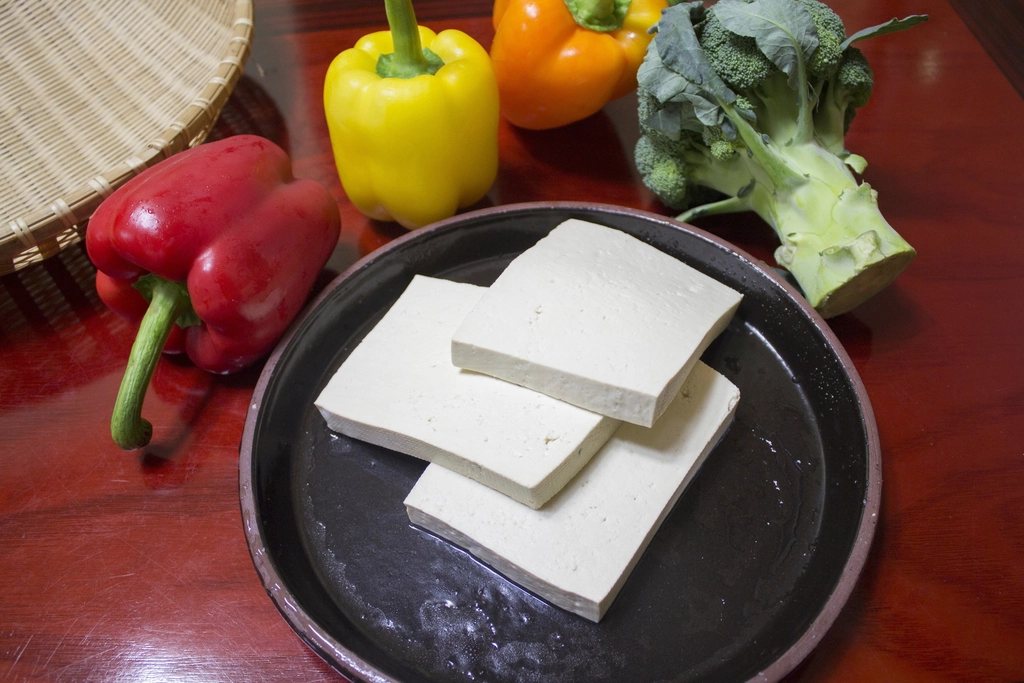
| Extra-firm tofu | 150 g | 21 to 24 g |
| Tempeh | 100 g | About 19 g |
| Lentils, cooked | 1 cup | 18 g |
| Edamame | 1 cup | 17 g |
| Chickpeas, cooked | 1 cup | 15 g |
| Soy milk | 1 cup | 7 to 8 g |
| Pea or soy protein powder | 1 scoop | 20 to 25 g |
| Hemp seeds | 3 tbsp | 10 g |
Canada is one of the world’s largest pulse growers, so lentils, peas and beans are affordable and widely available.
Amino acids and leucine
Leucine acts as a signal that switches on muscle building after a meal. Soy, seitan and pea protein are relatively rich in it. A slightly larger serving of plant protein, or a blend such as pea and rice, reaches a similar leucine level to animal protein. You do not need to combine proteins at each meal; variety across the day covers essential amino acids.
A sample high-protein vegan day (about 2,600 kcal, 150 g protein)
- Breakfast: tofu scramble with vegetables, whole-grain toast, soy milk latte.
- Snack: soy yogurt with hemp seeds and berries.
- Lunch: lentil and chickpea curry with rice.
- Pre-training: pea protein shake with a banana.
- Dinner: seitan stir-fry with edamame, vegetables and noodles.
- Evening: roasted chickpeas or a peanut butter sandwich.
Adjust portions to your targets with the macro calculator.
Supplements to consider
Essential
- Vitamin B12
Often helpful
- Creatine monohydrate (synthetic, vegan)
- Vitamin D, especially in Canadian winters
- Algae-based omega-3 (EPA, DHA)
- Iodine if you do not use iodised salt
Common pitfalls
- Relying on nuts and nut butters for protein; they are mostly fat.
- Not eating enough total calories, which slows gains.
- Too little iron and zinc; include legumes, whole grains and seeds, with vitamin C to improve iron absorption.
- Digestive discomfort from rapid increases in beans; increase gradually.
Budget-friendly vegan protein
Dry lentils, split peas and chickpeas bought in bulk are among the cheapest protein sources in Canadian stores. Tofu bought in multipacks, store-brand soy milk, frozen edamame and large tubs of pea protein keep costs down further. Cooking a big pot of lentil chili or dal on the weekend covers several high-protein lunches.
The soy question
Meta-analyses of human studies have found no meaningful effect of normal soy intake on testosterone or estrogen in men. Tofu, tempeh and soy milk are safe staples for male lifters.
Questions
Can vegans use creatine?
Yes. Creatine monohydrate supplements are made synthetically, not from animals, and are suitable for vegans.
How do I get enough iron as a vegan lifter?
Eat legumes, tofu, fortified cereals and seeds with a source of vitamin C, and avoid tea or coffee with iron-rich meals. Ask your doctor to check ferritin if you feel unusually tired.
Is plant protein as good as animal protein for muscle?
Studies show similar muscle gains when total protein is high and leucine-rich sources like soy are included, though per gram some plant proteins are slightly less effective.
Do I need to combine proteins at every meal?
No. Eating a variety of protein sources over the day provides all essential amino acids.
Is soy safe for men?
Normal dietary amounts of soy have not been shown to lower testosterone or cause feminising effects in men in human studies.
Why is creatine useful for vegans?
Vegans have lower muscle creatine stores, so supplementation often produces a larger benefit than in meat eaters.
Sources
General information, not medical advice. Written for adults in Canada. Anabolic steroids are Schedule IV under the Controlled Drugs and Substances Act. Talk to a licensed healthcare provider and get bloodwork before using any compound.
Keep reading
 Training and nutrition · 2 minMeal Prep Ideas for Busy Canadians Trying to Lose WeightMeal prep removes most of the daily decisions that derail a diet. You do not need perfect containers or bland chicken; you need a repeatable plan.
 Training and nutrition · 2 minWinter Weight Loss: Staying Active and On Track Through a Canadian WinterShorter days, cold weather and holiday food make winter the hardest season for weight loss. A plan made for it makes the difference.
 Training and nutrition · 2 minPre- and Post-Workout Nutrition While Cutting FatWhen calories are tight, putting more of them around training helps you keep strength and muscle. It does not need to be complicated.